Why Do Avoidants Come Back?
Understanding Avoidant Attachment, Distance, and the Return After Separation.

"Clarity comes not from interpreting their return—but from understanding the pattern beneath it."
If you’ve ever experienced an avoidant partner pulling away—only to resurface weeks or months later—you’re not imagining a rare or random pattern. Many people ask the same question after a confusing breakup or period of silence: Why do avoidants come back after they leave?
This article explains the psychology behind avoidant attachment, why distance can feel safer than closeness, and why returning often feels easier for avoidant individuals than staying emotionally present.
Avoidant Attachment and the Push–Pull Cycle
To understand why avoidants come back, it helps to understand what makes them leave in the first place.
People with avoidant attachment styles tend to value independence, emotional self-sufficiency, and control over closeness. Intimacy can feel overwhelming, even when they care deeply about their partner.
This dynamic is explained in more detail in our guide on dismissive avoidant attachment, which outlines how emotional distance becomes a protective strategy rather than a lack of feeling.
When closeness increases, avoidant partners may experience:
- Emotional overload
- Fear of dependence
- Loss of autonomy
- Discomfort with vulnerability
Pulling away becomes a way to regulate those feelings.
Why Distance Feels Safer Than Closeness
Avoidant individuals are often more comfortable missing someone than needing someone. After a breakup or withdrawal, emotional pressure decreases, expectations drop, and vulnerability is no longer required.

Ironically, this emotional relief can allow positive feelings to resurface—without the threat of intimacy. This is why many people encounter the avoidant return only after enough space has been established.
Avoidants Reconnect When Emotional Pressure Is Gone
Avoidant partners are less likely to come back when there is emotional urgency, pressure to define the relationship, or intense conversations about feelings. They are more likely to reappear when things feel calm and there are no immediate demands.
This pattern is a common part of the dynamic described in Why Do I Attract Avoidant Partners, where closeness triggers withdrawal, and distance triggers return.
Returning Doesn't Always Mean Readiness for Change
One of the most painful misunderstandings is assuming that coming back equals emotional availability. Often, avoidants return because loneliness has increased or their nervous system has reset, but without addressing underlying patterns, the same cycle often repeats.
Research on Avoidant Attachment and Regulation
Attachment research consistently shows that avoidant individuals manage emotional stress by deactivating attachment needs—suppressing feelings rather than processing them. This coping style helps explain why they may leave during emotional intensity and return when regulation feels restored.
Why Avoidants Miss You After Enough Space
Avoidant individuals are not emotionally indifferent; they often feel deeply but in delayed ways. Once distance removes the perceived threat of closeness, positive memories surface and affection feels safer.
The Anxious–Avoidant Dynamic
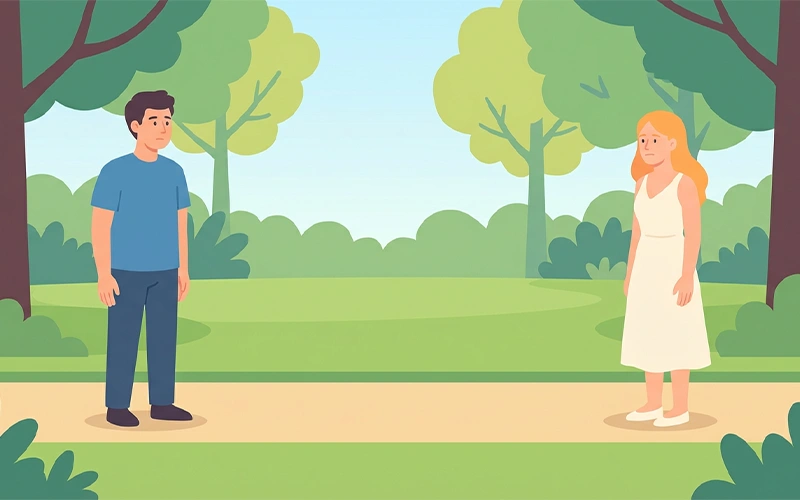
Avoidants are especially likely to return to partners with anxious attachment because the emotional bond is strong. This is known as the anxious–avoidant trap, where separation reduces anxiety for the avoidant, and reunion reignites connection.
What It Means When They Return
When an avoidant partner returns, it may mean they miss the connection or feel less overwhelmed. It does not automatically mean they are ready for consistent intimacy or that the pattern will change.
How to Respond When an Avoidant Comes Back
Before re-engaging, reflect on what (if anything) has changed. If you tend toward anxious attachment, learning how to regulate your own nervous system is the most stabilizing step. Practical guidance can be found in how to heal anxious attachment.
Ready to Understand Your Patterns?
Discover your attachment style and learn what’s driving your relationship dynamics.
Take the Free QuizKey Takeaways
- 01. Avoidants often return after emotional distance restores a sense of safety.
- 02. Leaving helps them regulate; returning feels easier than staying.
- 03. Coming back does not always equal emotional availability.
- 04. Without awareness, the push–pull cycle often repeats.
Frequently Asked Questions
Do avoidants come back after no contact?
Avoidant individuals are more likely to return after emotional pressure has decreased. No contact can restore a sense of safety, but it does not guarantee lasting change.
Do avoidant partners miss you after leaving?
Yes, but often in delayed ways. Avoidants tend to process emotions after distance is established, which is why longing may appear later rather than immediately.
Does an avoidant coming back mean they are ready for commitment?
Not necessarily. Returning often reflects emotional regulation rather than readiness for deeper intimacy or long-term commitment.
Why do avoidants leave and come back repeatedly?
This pattern is usually driven by discomfort with closeness and relief found in distance, creating a recurring push–pull dynamic.