Why Do Avoidants Need Space?
Understanding why avoidants need space, how attachment styles regulate emotions through distance, and what it means for your relationship.
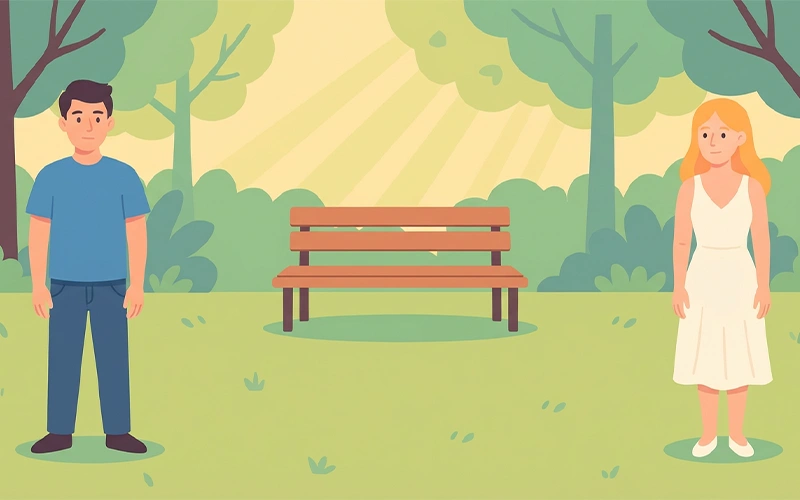
If you've ever wondered why do avoidants need space, especially right after moments of closeness, you're not alone.
To someone on the receiving end, the need for space can feel confusing, rejecting, or sudden. One moment, connection feels strong. The next, the avoidant partner becomes distant, quiet, or emotionally unavailable.
Understanding why avoidants need space requires looking at how avoidant attachment regulates closeness—not as a lack of care, but as a way to feel emotionally safe.
What "Needing Space" Means for Avoidants
When people ask why do avoidants need space, they often imagine avoidants wanting freedom or independence for its own sake.
In reality, space serves a specific function.
For avoidant individuals, space is a way to:
- Calm emotional overwhelm
- Regain internal balance
- Reduce vulnerability
- Feel in control of their emotions
Space is not about punishment or manipulation. It's a form of self-regulation.
The Attachment-Based Explanation
A key reason why avoidants need space lies in avoidant attachment development.
Avoidant attachment often forms when early closeness felt:
- Emotionally intrusive
- Unreliable
- Overwhelming
- Conditional
As adults, avoidants learn to rely on themselves rather than others. Emotional distance becomes their primary coping strategy.
👉 For a broader framework, see Attachment Styles Overview.
Why Space Is Triggered by Closeness, Not Distance
One of the most misunderstood aspects of why avoidants need space is that the urge usually appears after intimacy, not conflict.
Common triggers include:
- Emotional vulnerability
- Increased expectations
- Talking about the future
- Feeling emotionally needed
- Spending extended time together
Closeness activates the attachment system, and space becomes the fastest way to reduce internal stress.
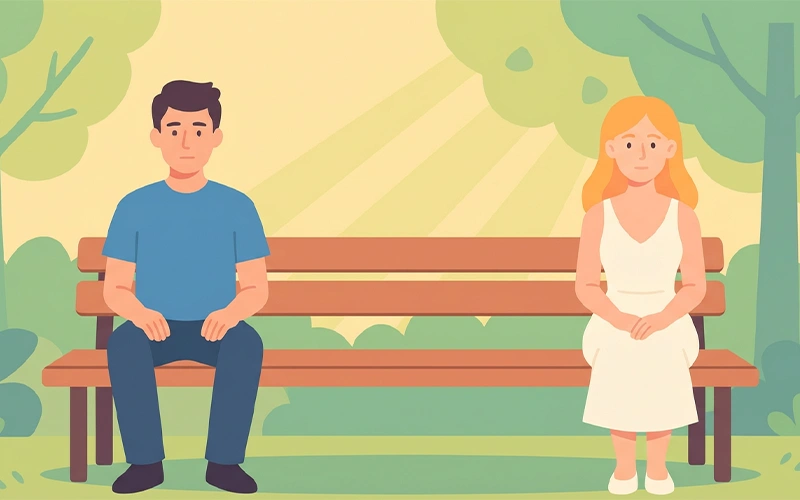
What Avoidants Experience Internally When They Need Space
From the outside, needing space may look cold or detached. Internally, it often feels like:
- "This is too much."
- "I need to breathe."
- "I feel overwhelmed."
- "I need to reset."
Avoidants may not consciously connect these feelings to attachment. They simply feel relief once distance is restored.
This internal experience explains why avoidants need space even in healthy relationships.
How Space Helps Avoidants Regulate Emotion
Space allows avoidants to:
- Lower emotional intensity
- Reconnect with independence
- Suppress vulnerability
- Feel grounded again
Once regulated, avoidants may feel more open, calmer, and even affectionate.
This is why avoidant partners sometimes return after pulling away.
You can explore this cycle further in Why Do Avoidants Come Back.
Why Space Can Feel So Personal to the Other Person
For partners with anxious tendencies, the avoidant's need for space can feel like rejection or loss of interest.
If you find yourself asking:
- "Did I do something wrong?"
- "Why are they pulling away now?"
- "Are they losing feelings?"
You may resonate with Anxious-Preoccupied Attachment Style.
But the avoidant's need for space is usually internally driven, not caused by the other person's behavior.

Is Needing Space the Same as Losing Interest?
No.
A crucial distinction in understanding why avoidants need space is separating distance for regulation from loss of interest.
Avoidants often still care deeply. They simply don't regulate closeness the same way others do.
If you're unsure whether space signals withdrawal or something else, see Why Do Avoidants Lose Interest Suddenly.
When Space Becomes a Repeating Pattern
While needing space is normal, problems arise when:
- Space is used instead of communication
- Distance appears whenever intimacy grows
- The cycle repeats without awareness
At that point, space becomes a default response rather than a conscious choice.
Understanding attachment patterns helps break this cycle.
How to Respond When an Avoidant Needs Space
If you're dealing with an avoidant partner, responding effectively means:
- Not chasing or demanding reassurance
- Allowing space without self-abandonment
- Maintaining your own emotional regulation
- Avoiding over-interpretation
For growth-oriented strategies, explore How to Heal Anxious Attachment.
Can Avoidants Learn to Need Less Space?
Yes—but not by force.
Avoidants often need:
- Emotional safety
- Predictable connection
- Non-intrusive communication
- Time and awareness
As these increase, the nervous system gradually relies less on distance.
Ready to Understand Your Patterns?
Discover your attachment style and learn what's driving your relationship dynamics.
Take the Free QuizFrequently Asked Questions
Why do avoidants need space after intimacy?
Because emotional closeness activates vulnerability and internal overwhelm.
Does needing space mean avoidants don't care?
No. Space is about emotional regulation, not lack of feelings.
How long do avoidants usually need space?
It varies. Some need hours, others days. The key factor is emotional intensity, not time.
Should I give an avoidant space?
Yes, while also maintaining your own emotional boundaries and clarity.
Final Thoughts
If you've been asking why do avoidants need space, the answer lies in how avoidant attachment regulates closeness.
Space helps avoidants feel safe—not because connection is unwanted, but because vulnerability feels overwhelming.
Understanding this pattern reduces confusion, self-blame, and reactive cycles—and creates room for healthier connection.