Why Do I Feel Anxious After a Good Date?
If you’ve ever asked yourself why do I feel anxious after a good date, especially when nothing seemed wrong, you’re not alone.
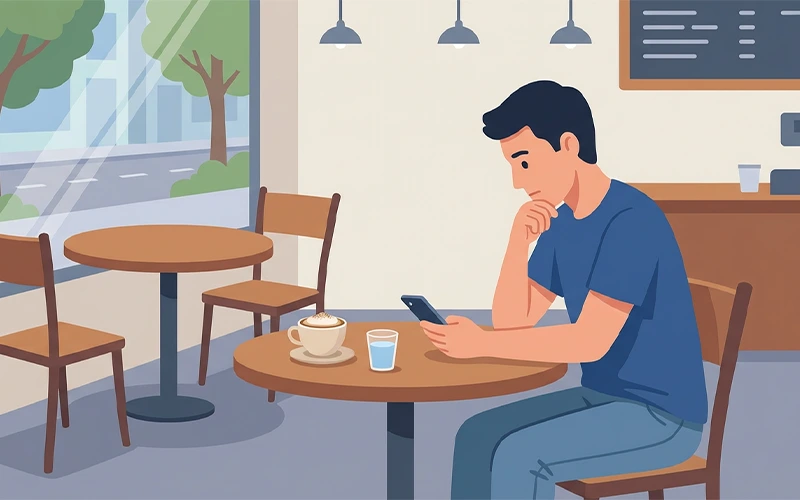
The conversation flowed, the connection felt real, and you may even have left feeling excited. Yet hours later—or the next day—anxiety sets in. You replay moments, worry about what you said, or feel a sudden emotional drop.
Understanding why you feel anxious after a good date often has less to do with the date itself and more to do with how emotional closeness activates your internal attachment system.
When a Positive Experience Triggers Anxiety
It seems counterintuitive, but many people experience anxiety after things go well.
Common reactions include:
- Overthinking small details
- Worrying about how you were perceived
- Fear of what comes next
- A sense of emotional vulnerability
When people search why do I feel anxious after a good date, they’re often confused by the contrast between the positive experience and the uncomfortable emotional aftermath.
The Role of Emotional Closeness
A good date creates connection. Connection creates emotional exposure.
For some nervous systems, closeness automatically signals:
- Increased emotional stakes
- Fear of rejection or loss
- Anticipation of disappointment
This is one of the core reasons why you may feel anxious after a good date even when there were no negative signals.
Attachment Patterns and Post-Date Anxiety
One of the most common explanations for why do I feel anxious after a good date lies in attachment styles.
Attachment patterns shape how we respond once interest becomes mutual.
For an overview, see Attachment Styles Overview.
Anxious Attachment
People with anxious attachment may:
- Worry about whether the other person will lose interest
- Replay interactions repeatedly
- Feel unsettled without reassurance
Learn more in Anxious-Preoccupied Attachment Style.
Avoidant Attachment
People with avoidant attachment may:
- Feel overwhelmed after emotional closeness
- Experience a desire to pull back
- Interpret excitement as pressure
This pattern is explored further in Dismissive-Avoidant Attachment Style.
Fearful-Avoidant Attachment
This pattern often involves:
- Wanting connection but fearing it
- Emotional highs followed by sudden anxiety
- Confusion about feelings after closeness
See Fearful-Avoidant Attachment Style.
Why Anxiety Often Starts After, Not During, the Date
Many people notice they feel calm during the date and anxious afterward.
This happens because:
- During the date, attention is external and present
- Afterward, the mind shifts inward
- Emotional meaning catches up later
This delayed response explains why you feel anxious after a good date, not during it.

Anticipation and the Fear of “What Comes Next”
A good date introduces uncertainty:
- Will there be another date?
- Will interest stay mutual?
- Will expectations increase?
For some people, anticipation itself is the trigger.
If you often feel anxious when interest is clear, you may also relate to Why Do I Feel Anxious When Someone Likes Me.
When Anxiety Is About Self-Protection, Not Doubt
Post-date anxiety doesn’t mean you made a mistake or misread the situation.
Often, it’s your system trying to:
- Regain emotional balance
- Prepare for possible disappointment
- Stay alert to potential loss
This protective response is automatic, not intentional.
Does Feeling Anxious Mean the Date Was a Bad Idea?
No.
A key misunderstanding behind why do I feel anxious after a good date is assuming anxiety signals incompatibility.
In reality:
- Anxiety often appears when connection feels meaningful
- Emotional safety can feel unfamiliar
- Calm interest may trigger deeper attachment responses
This is why some people feel calmer after mediocre dates and more anxious after great ones.

How This Anxiety Can Influence Dating Behavior
If unrecognized, post-date anxiety can lead to:
- Pulling away too quickly
- Overanalyzing texts and timing
- Losing interest to reduce vulnerability
- Ending promising connections prematurely
These patterns are often unconscious attempts to reduce emotional exposure.
If this resonates, you may also want to read Why Do Avoidants Lose Interest Suddenly.
What Helps When You Feel Anxious After a Good Date
You don’t need to eliminate anxiety to date successfully.
What often helps:
- Recognizing anxiety as a response to closeness, not danger
- Slowing down interpretation and decision-making
- Allowing feelings to settle before acting on them
For deeper support, explore How to Heal Anxious Attachment.
Can Post-Date Anxiety Change Over Time?
Yes.
As your system learns that closeness doesn’t always lead to harm, anxiety often becomes:
- Less intense
- Shorter in duration
- Easier to observe without reacting
Awareness is the first step toward that shift.
Ready to Understand Your Patterns?
Discover your attachment style and learn what's driving your relationship dynamics.
Take the Free QuizFrequently Asked Questions
Why do I feel anxious after a good date instead of excited?
Because emotional closeness activates vulnerability and anticipation, which can trigger anxiety before excitement settles.
Is post-date anxiety a red flag?
Not necessarily. It often reflects attachment responses rather than incompatibility.
Does this mean I shouldn’t date?
No. It means understanding your emotional patterns can help you date with more clarity and self-compassion.
Will this anxiety always happen?
For many people, it decreases as emotional safety becomes more familiar.
Final Thoughts
If you’ve been asking why do I feel anxious after a good date, the answer usually lies beneath the surface.
Anxiety after positive connection is often a sign that something meaningful touched your emotional system—not that something went wrong.
Understanding this pattern allows you to move forward with awareness rather than fear.