Why Do Avoidants Pull Away?
Understanding the psychology behind why closeness suddenly creates distance.
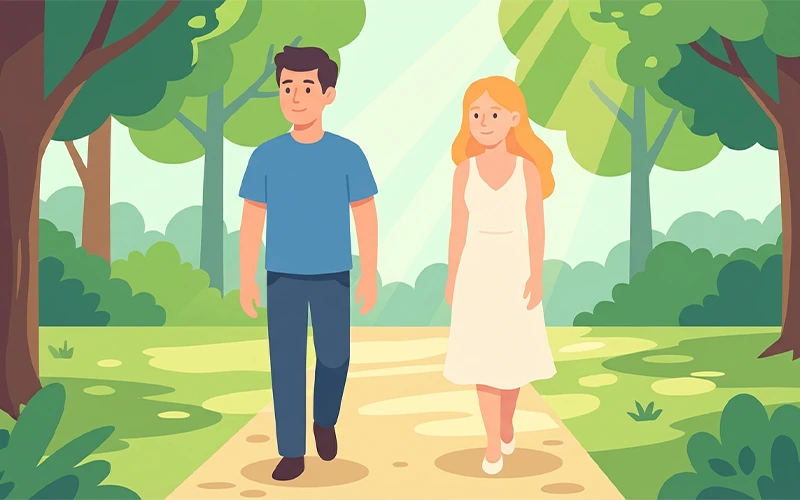
When Closeness Suddenly Creates Distance
You may have noticed a confusing pattern: just when a relationship starts to feel closer, warmer, or more meaningful, the avoidant partner seems to pull away. Messages slow down, emotional openness fades, and plans become vague. You might find yourself wondering: Did I do something wrong? Did they lose interest? Why does closeness seem to create distance?
For people with avoidant attachment tendencies, pulling away is often not a conscious rejection. It’s a protective response that activates when intimacy begins to feel emotionally overwhelming. Understanding why this happens can help you interpret the behavior more clearly—and protect your own emotional well-being in the process.
What “Pulling Away” Usually Looks Like
Avoidant pulling away doesn’t always look dramatic. In many cases, it’s subtle and gradual. Common signs include:
- Reduced emotional responsiveness
- Less initiation of contact
- Increased focus on work, hobbies, or independence
- Avoidance of deeper conversations
- Emotional neutrality or distance after moments of closeness
What makes this pattern confusing is that it often follows positive connection, not conflict. For those with anxious attachment, this withdrawal can feel particularly destabilizing.
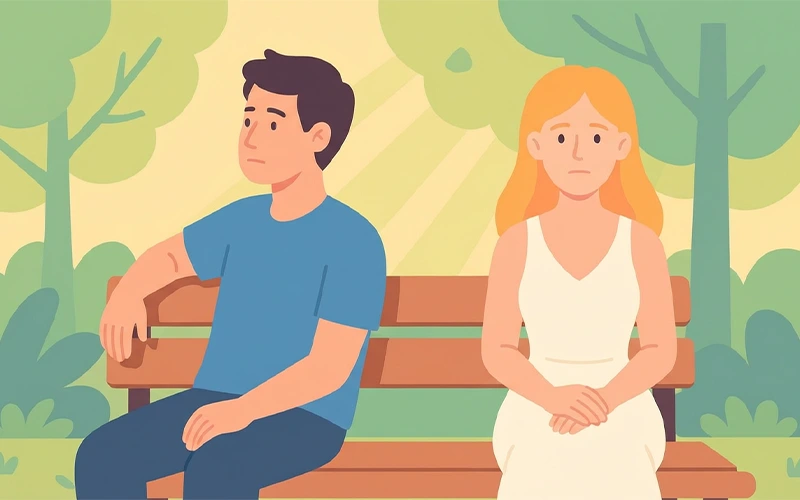
Is Pulling Away a Sign of Losing Interest?
Short answer: Not necessarily.
For avoidantly attached individuals, emotional closeness can activate internal stress—even when they genuinely care about their partner. Pulling away is often an attempt to regain a sense of emotional control, reduce vulnerability, and restore internal balance. It’s less about the partner, and more about how closeness feels inside their nervous system.
The Psychology Behind Avoidant Attachment
Avoidant attachment develops when emotional needs were consistently unmet, minimized, or discouraged earlier in life. Over time, the nervous system learns that relying on others feels unsafe and that independence equals safety. As adults, avoidant individuals may value connection—but only up to a threshold. Beyond that point, closeness begins to feel intrusive or destabilizing, and pulling away becomes a way to self-regulate.
Why Avoidants Pull Away When Things Get Closer
1. Emotional Intimacy Triggers Vulnerability
Intimacy requires being seen emotionally. For avoidant individuals, this can activate fear rather than comfort. Pulling away helps reduce exposure to emotions they haven’t learned to process safely.
2. Expectations Feel Threatening
Closeness often brings unspoken expectations of commitment and emotional availability. Avoidants may interpret these expectations as a loss of freedom, even if no one explicitly demands them.
3. Autonomy Feels at Risk
Avoidant attachment strongly associates autonomy with safety. When a relationship feels emotionally close, the nervous system may interpret it as a loss of self. Distance restores a sense of independence.
4. Emotional Overload Happens Quietly
Avoidants often suppress emotional awareness. They may not recognize stress building until it reaches a tipping point. Pulling away is the body’s way of releasing that pressure.
What Pulling Away Is — And What It Is Not
Pulling Away Is:
- ✓ A self-protective response
- ✓ Often unconscious
- ✓ Rooted in emotional regulation
- ✓ About internal discomfort
Pulling Away Is NOT:
- ✗ A calculated manipulation
- ✗ Proof you are “too much”
- ✗ Always a lack of care
- ✗ A guaranteed end to the relationship
How This Pattern Affects Partners
For partners, especially those who tend toward anxious-preoccupied patterns, avoidant pulling away can feel deeply destabilizing. Common emotional reactions include increased anxiety, overanalyzing behavior, and a strong urge to restore closeness. Unfortunately, pursuing reassurance often intensifies the avoidant’s need for distance, reinforcing the cycle.
What Actually Helps When an Avoidant Pulls Away
There is no technique that can “stop” someone from pulling away, but certain approaches can reduce harm to you:
- Don’t Personalize the Distance: Pulling away reflects internal stress, not your worth.
- Maintain Your Own Emotional Stability: Stay connected to your routines, your support system, and your sense of self.
- Avoid Chasing: Pressure during withdrawal often deepens avoidance. Space allows the nervous system to settle.
- Observe Patterns: Chronic emotional withdrawal is information. Pay attention to consistency, not just promises.
When Pulling Away Becomes a Dealbreaker
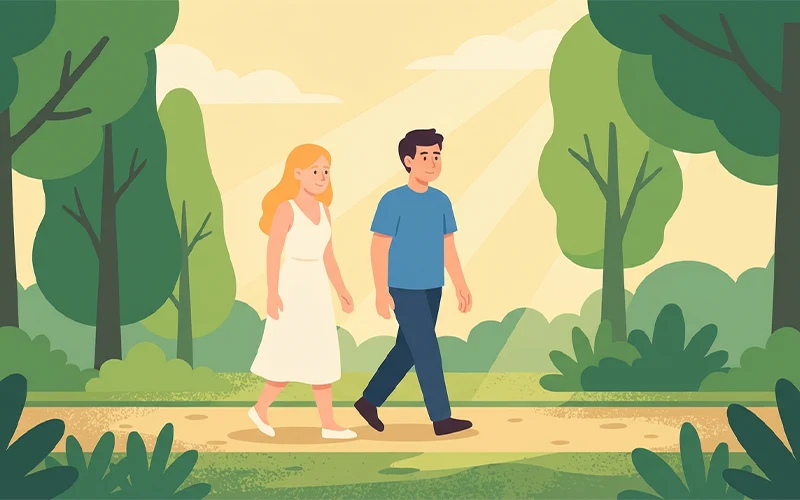
Understanding attachment patterns does not require tolerating emotional unavailability. You may need to step back if communication never improves, emotional needs remain unmet, or the distance becomes the default. Healthy relationships allow room for both closeness and autonomy.
Can Avoidant Attachment Change?
Yes, but only when the individual becomes aware of their patterns and actively works with them. This involves emotional awareness and nervous system regulation. It cannot be forced by a partner’s patience or effort alone. For those struggling, learning how to heal reactive patterns is a vital step.
Curious about your own attachment pattern?
Understanding how you respond to emotional distance can bring clarity to your relationship dynamics.
Take the Attachment Style QuizFrequently Asked Questions
Why do avoidants pull away when things are going well?
Because emotional closeness activates vulnerability, which can feel unsafe for avoidant nervous systems.
Do avoidants come back after pulling away?
Sometimes. Many return once emotional pressure subsides, though patterns may repeat without awareness. See more on why avoidants come back.
Is pulling away a sign I should leave?
Not always—but ongoing emotional unavailability is important information. Your needs for consistency and safety matter.