Why Do Relationships Make Me Anxious?
Understanding the deeper psychological reasons behind relationship anxiety and how attachment patterns influence it.
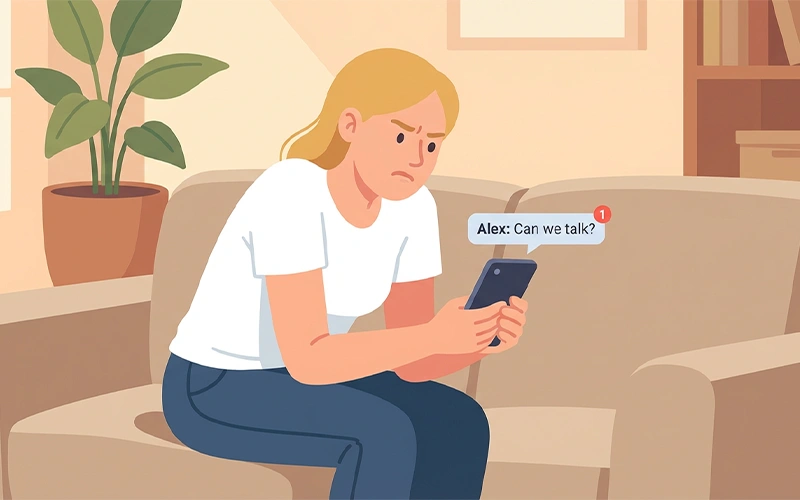
If you've ever found yourself asking "why do relationships make me anxious?", you're far from alone.
You may feel calm and confident on your own, but once emotional closeness develops, anxiety appears. You might overthink messages, fear being rejected, or feel suddenly overwhelmed by intimacy. In some cases, relationships that are healthy and stable can trigger even more anxiety than unstable ones.
Understanding why relationships make you anxious requires looking beyond surface-level stress and into how your nervous system learned to relate to closeness, connection, and emotional dependence.
This article explores the deeper psychological reasons behind relationship anxiety, how attachment patterns influence it, and what can help relationships feel safer over time.
What Relationship Anxiety Actually Feels Like
When relationships make you anxious, the experience isn't always obvious panic. It often shows up subtly and repeatedly.
You might notice:
- A constant sense of tension when someone gets emotionally close
- Worry about being abandoned, misunderstood, or "too much"
- Feeling calmer when alone but uneasy when emotionally connected
- Overanalyzing small changes in tone, timing, or behavior
- A fear of losing yourself inside the relationship
For many people, relationships make them anxious not because something is wrong now, but because closeness activates old emotional expectations.
Why Relationships Trigger Anxiety in the First Place
1. Emotional Closeness Activates the Nervous System
Relationships require vulnerability. Vulnerability means letting someone see your needs, fears, and emotional dependence.
If your nervous system learned early on that closeness was unpredictable, conditional, or overwhelming, relationships can automatically trigger anxiety, even when the present relationship is safe.
Your body may interpret intimacy as risk before your mind has time to assess reality.
2. Attachment Styles Shape Relationship Anxiety
One of the most common reasons relationships make people anxious is attachment style.
Attachment patterns develop early in life and influence how we experience emotional connection as adults.
- Anxious attachment often leads to fear of abandonment, hypervigilance, and emotional overdependence
- Avoidant attachment can cause anxiety around closeness, commitment, or emotional needs
- Fearful-avoidant attachment combines both — craving connection while fearing it
If you've noticed recurring anxiety across multiple relationships, it may help to explore your attachment pattern through an Attachment Style Quiz.
3. Fear of Losing Control or Independence
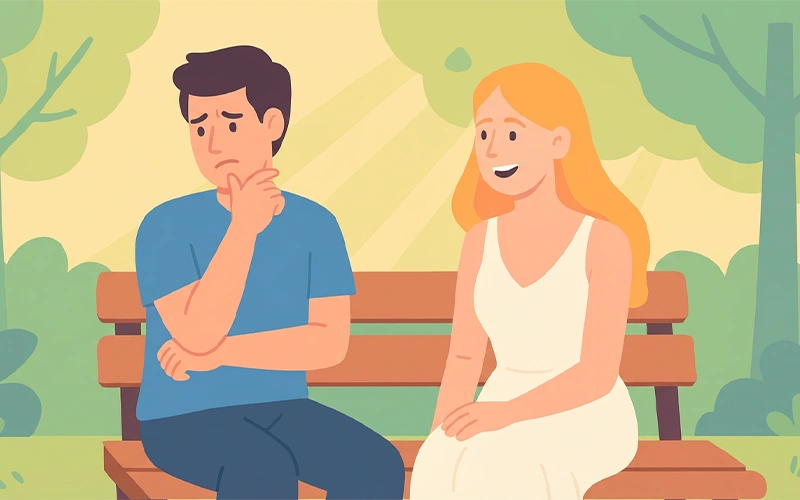
For some people, relationships make them anxious because closeness feels like a threat to autonomy.
You may worry about:
- Losing your independence
- Becoming emotionally dependent
- Being responsible for someone else's emotions
- Getting trapped in expectations you didn't choose
This fear is especially common in people with avoidant or mixed attachment tendencies.
You might find this pattern explored further in Dismissive-Avoidant Attachment Style.
4. Past Relationship Experiences Create Emotional Memory
Even if you logically know your current partner is different, your nervous system remembers past pain.
Previous experiences such as:
- Sudden breakups
- Emotional inconsistency
- Betrayal or emotional neglect
can cause relationships to feel unsafe on a subconscious level.
When this happens, relationship anxiety isn't about the present moment, but about trying to prevent past pain from repeating.
Why Intimacy Specifically Makes Anxiety Worse
Many people notice that anxiety increases not at the beginning of relationships, but as emotional closeness deepens.
This is because intimacy often brings:
- Increased emotional exposure
- Greater perceived stakes
- Fear of being truly seen
If you feel anxious when someone likes you or gets close, you may also resonate with Why Do I Feel Anxious When Someone Likes Me.
How Relationship Anxiety Affects Behavior

When relationships make you anxious, you may notice patterns like:
- Seeking reassurance frequently
- Pulling away emotionally to calm yourself
- Overthinking small interactions
- Testing your partner's commitment
- Feeling uneasy during periods of stability
Ironically, these behaviors often increase anxiety rather than reduce it.
Is Relationship Anxiety a Sign You're With the Wrong Person?
Not necessarily.
A common misconception is that anxiety means something is wrong with the relationship itself. In reality, relationship anxiety often appears most strongly in healthy relationships, because safety allows deeper attachment wounds to surface.
This is why some people feel calmer in unstable or emotionally unavailable relationships — those dynamics feel familiar, even if they're painful.
If you've experienced on-and-off connections, you may want to explore Why Do Avoidants Come Back.
When Relationship Anxiety Becomes Overwhelming
Relationship anxiety may need more attention if it:
- Interferes with daily functioning
- Leads to constant emotional distress
- Causes repeated relationship cycles
- Feels impossible to soothe on your own
At that point, growth often requires understanding patterns rather than trying to "stop" anxiety directly.
You can find grounding strategies in How to Heal Anxious Attachment.
What Actually Helps Relationship Anxiety Over Time
1. Understanding Your Attachment Pattern
Awareness reduces self-blame. When you understand why relationships make you anxious, the experience becomes less confusing and less shame-driven.
This is the foundation of emotional change.
2. Learning to Regulate the Nervous System
Relationship anxiety lives in the body, not just the mind.
Helpful practices include:
- Grounding exercises
- Mindful awareness of emotional triggers
- Slowing down responses rather than reacting
3. Separating Past From Present
Not every emotional reaction belongs to the current moment.
Learning to ask:
"Is this feeling about now, or about something earlier?"
can gradually reduce anxiety's intensity.
4. Allowing Safety to Feel Unfamiliar
For many people, calm and consistent relationships feel strange at first.
Discomfort doesn't always mean danger — sometimes it means growth.
Relationship Anxiety Is Changeable
If you're asking why relationships make me anxious, it doesn't mean you're broken or incapable of healthy love.
It usually means your nervous system learned to protect you in ways that once made sense.
With understanding, reflection, and support, relationship anxiety can soften over time, allowing connection to feel safer and more stable.
Ready to Understand Your Patterns?
Discover your attachment style and learn what's driving your relationship dynamics.
Take the Free QuizFrequently Asked Questions
Why do relationships make me anxious even when things are going well?
Because emotional safety allows deeper attachment fears to surface. Calm relationships can activate anxiety if stability feels unfamiliar.
Is relationship anxiety the same as anxious attachment?
Not always. Relationship anxiety can appear in anxious, avoidant, or fearful attachment patterns, though anxious attachment experiences it most intensely.
Can relationship anxiety go away?
Yes. With awareness, emotional regulation, and healthier relational experiences, relationship anxiety often becomes more manageable and less dominant.
Should I avoid relationships if they make me anxious?
Avoidance may reduce anxiety short-term but often reinforces fear long-term. Understanding the cause of anxiety is more helpful than avoiding connection altogether.