Relationships & Psychology
Why Do I Attract Avoidant Partners?
A clear, psychology-based look at why avoidant partners may feel familiar, magnetic, and hard to let go of.
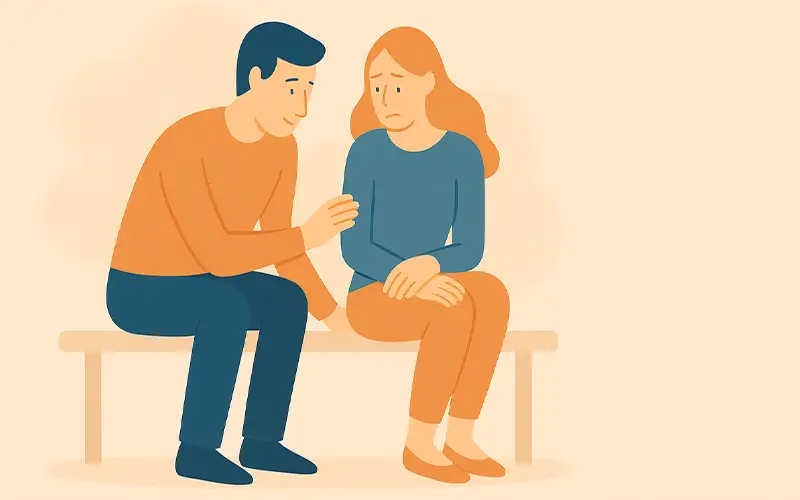
If you keep finding yourself drawn to people who seem emotionally unavailable, pull away when things get serious, or need a lot of distance, you are not imagining a random pattern.
Many people ask, "Why do I attract avoidant partners?" after noticing the same relationship dynamic again and again. At first, the connection may feel intense, exciting, or emotionally charged. But over time, the same problems appear: mixed signals, emotional distance, fear of commitment, or a constant feeling that you are the one trying to keep the bond alive.
You are not attracting avoidant partners because there is something wrong with you. More often, the pattern comes from attachment dynamics, familiarity, nervous system conditioning, and the way your mind and body interpret closeness.
In this guide, you will learn why avoidant partners may feel magnetic, what anxious-avoidant dynamics look like, and how to stop repeating the same painful cycle.
Quick Answer
Why do I attract avoidant partners?
You may attract avoidant partners because emotional distance feels familiar, intense, or meaningful to your attachment system. If you lean anxious, inconsistent or unavailable partners can activate a strong pull that feels like chemistry, even when the dynamic is not secure.
What It Usually Means to "Attract Avoidant Partners"
When people ask why they attract avoidant partners, they usually do not mean that avoidant people are magically appearing out of nowhere.
What they often mean is:
- avoidant partners feel especially attractive
- the same emotional pattern keeps repeating
- secure people feel less exciting or harder to connect with
- relationships become a cycle of closeness, distance, and anxiety
In many cases, the issue is not only who shows interest in you. It is also who feels familiar, who holds your attention, and which dynamics your attachment system interprets as meaningful.
8 Real Reasons You May Keep Attracting Avoidant Partners
1. Emotional distance may feel familiar
One of the biggest reasons people attract avoidant partners is familiarity. If you grew up with inconsistent affection, emotional distance, unpredictability, or love that felt conditional, avoidant behavior can feel strangely normal.
It may not feel good, but it can feel recognizable.
2. Intensity may feel like connection
Avoidant dynamics often create longing, uncertainty, and emotional highs and lows. That intensity can feel powerful, even when the relationship itself is unstable.
Sometimes what feels like chemistry is actually activation.
3. Anxious attachment is often drawn to avoidant patterns
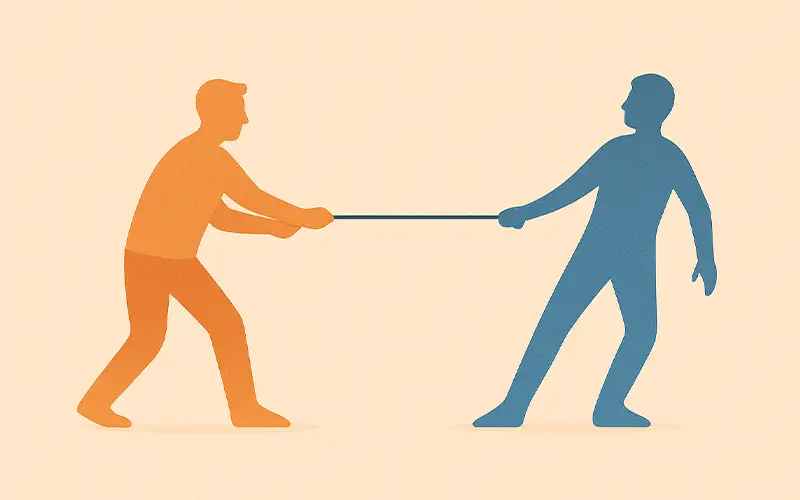
If you lean anxious in relationships, you may feel especially pulled toward people who are harder to read, slower to commit, or inconsistent in closeness. This can create the classic anxious-avoidant cycle: one person pursues connection while the other pulls away.
4. You may be trying to "earn" love
Many people who repeatedly attract avoidant partners carry an unconscious belief that love has to be worked for. Distance can then trigger the urge to prove yourself, fix the relationship, or finally be chosen.
That turns love into a test instead of a mutual bond.
5. You may mistake unavailability for mystery or depth
Emotionally avoidant people can seem independent, calm, self-contained, or hard to reach. That distance can be interpreted as mystery, strength, or emotional depth when it is actually limited availability.
6. Secure people may feel unfamiliar at first
If you are used to inconsistency, secure people can feel surprisingly quiet, simple, or even "boring." In reality, what feels unfamiliar may simply be steadiness.
7. Your nervous system may be reacting to intermittent reinforcement
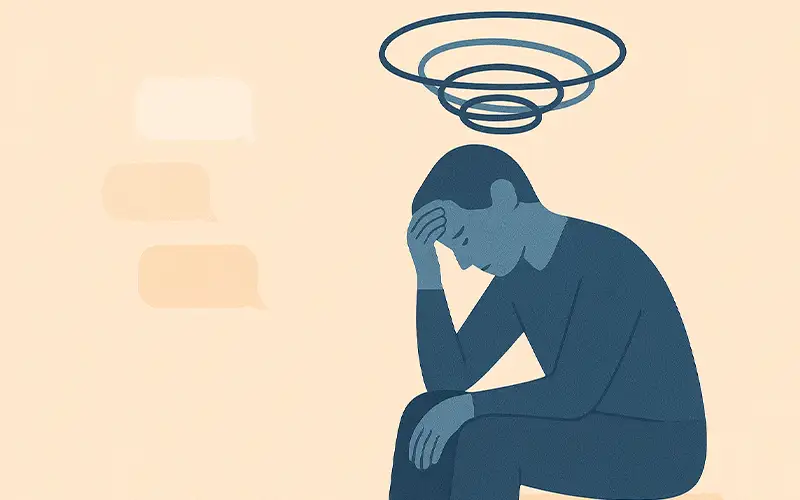
Avoidant partners often alternate between moments of closeness and distance. That unpredictability can create a strong psychological bond. Occasional warmth after withdrawal can make the connection feel even more compelling.
8. You may be repeating an old relational script
Sometimes the deeper question is not "Why do I attract avoidant partners?" but "Why does this pattern feel so emotionally important to me?"
If part of you learned that love means uncertainty, waiting, overgiving, or not knowing where you stand, avoidant partners may fit that script too well.
The Anxious-Avoidant Dynamic
One of the most common reasons this pattern repeats is the anxious-avoidant dynamic.
The anxious partner often:
- craves closeness and reassurance
- fears abandonment
- becomes highly sensitive to distance
- tries to repair the bond quickly
The avoidant partner often:
- values independence strongly
- feels overwhelmed by emotional intensity
- needs distance when closeness increases
- withdraws when pressure rises
Together, this creates a self-reinforcing cycle:
- connection grows
- the anxious partner reaches for more closeness
- the avoidant partner feels pressure and pulls away
- distance increases anxiety
- anxiety increases pursuit
- pursuit increases avoidance
This is why avoidant partners can feel so magnetic and so painful at the same time.
Why Avoidant Partners Can Feel So Magnetic
If you keep asking why you attract avoidant partners, it may help to ask a second question:
Why do avoidant partners feel so compelling?
Often, it is because they activate:
- longing
- hope
- uncertainty
- emotional focus
- the desire to finally feel chosen
This can make the relationship feel unusually intense. But intensity is not always intimacy.
A connection can feel powerful while still being emotionally unstable.
Signs You May Be Stuck in This Pattern
You may be repeating an avoidant attraction cycle if:
- you feel strongest chemistry with emotionally distant people
- stable partners feel less exciting
- you often become the one maintaining connection
- you overanalyze mixed signals or delayed replies
- you feel drawn to "potential" more than reality
- you suppress your needs to seem easygoing
- you keep hoping that closeness will eventually become consistent
- you feel deeply attached to people who remain emotionally hard to reach
If several of these feel familiar, the pattern may be less about bad luck and more about attachment conditioning.
Does This Mean Something Is Wrong With Me?
No.
Attracting avoidant partners does not mean you are broken, needy, or destined for painful relationships. It usually means your nervous system learned to respond to closeness, unpredictability, and emotional availability in a particular way.
These patterns are learned, which means they can also be changed.
Understanding the pattern is not about blaming yourself. It is about seeing clearly what has been shaping your choices, reactions, and attractions.
Why Avoidant Partners May Also Be Drawn to You
This dynamic is not always one-sided.
Avoidant partners may be drawn to anxiously attached people because you often:
- initiate closeness
- keep the relationship emotionally alive
- tolerate distance longer than secure people might
- work hard to repair disconnection
- make it easier for them to stay connected without fully leading the bond
That can make the relationship feel strangely balanced, even when it is not secure.
How to Stop Attracting Avoidant Partners
1. Learn your attachment pattern
The more clearly you understand your own style, the easier it becomes to spot the pattern early instead of being pulled into it automatically.
2. Stop confusing intensity with compatibility
A relationship that makes you anxious, obsessive, or chronically uncertain is not automatically deep. Sometimes it is simply dysregulating.
3. Notice who feels familiar and why
Ask yourself: Does this person feel healthy, or do they feel familiar?
That question can change a lot.
4. Build tolerance for consistency
Secure love may feel quieter at first. Give yourself time to experience calm as something meaningful, not empty.
5. Set boundaries earlier
If someone consistently avoids clarity, emotional responsibility, or steady communication, take that seriously sooner.
6. Work on nervous system regulation
When you can calm your own internal activation, avoidant behavior loses some of its power to hook you.
7. Choose emotional availability over potential
Potential can feel intoxicating. But secure relationships are built on what is actually offered, not what might eventually appear.
What Secure Connection Actually Feels Like
A secure connection usually feels less chaotic and more grounded.
It often includes:
- steadier communication
- emotional responsiveness
- clearer intentions
- room for needs and boundaries
- less confusion and less chasing
- more warmth, honesty, and repair
Secure love is not always dramatic. Very often, it feels calmer, clearer, and safer.
When It Helps to Look Inward
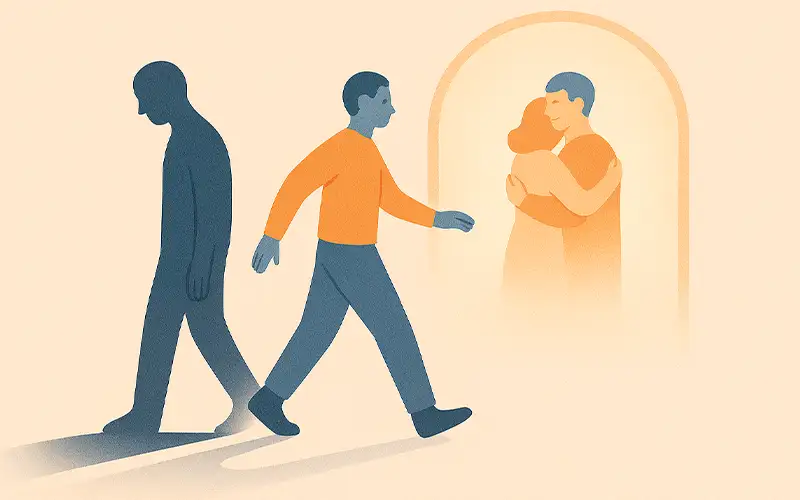
If this pattern keeps repeating, the most useful shift is often moving from:
"Why do I keep attracting avoidant partners?"
to
"What in me still feels pulled toward emotional unavailability?"
That question is not about self-blame. It is about self-awareness.
The goal is not to judge your past choices. The goal is to understand the pattern well enough to stop recreating it.
Ready to Understand Your Patterns?
If avoidant partners keep feeling magnetic, your attachment style may be shaping who feels familiar, exciting, and emotionally significant.
Understanding your pattern can help you break the cycle and move toward more secure relationships.
Take the Free Attachment Style QuizDiscover what is driving your relationship patterns and how to build healthier attachment.
FAQ
Related Reading
You may also find these helpful:
Final Thoughts
If you keep wondering why you attract avoidant partners, the answer usually has less to do with fate and more to do with familiarity, attachment patterns, and nervous system conditioning.
Avoidant partners may feel magnetic not because they are the best fit, but because the emotional pattern is deeply activating. The good news is that this pattern is not fixed.
With awareness, clearer boundaries, and more secure self-trust, you can stop repeating the same dynamic and start choosing relationships that feel steadier, safer, and more mutual.