Healing & Growth
How to Heal Anxious Attachment
A practical, psychology-based guide to calming attachment anxiety, building self-trust, and moving toward secure relationships.
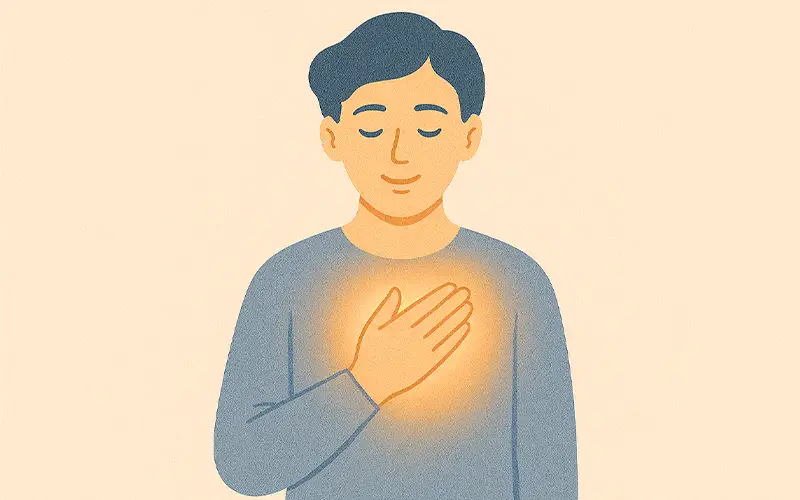
If you are trying to learn how to heal anxious attachment, you are probably tired of feeling like relationships control your emotional state.
Anxious attachment can make love feel consuming. You may overthink texts, fear abandonment, need frequent reassurance, or feel deeply unsettled when someone pulls away. Even when you know your reactions are intense, it can still feel hard to calm your body and trust the connection.
The good news is that anxious attachment can be healed. Attachment styles are not fixed personality traits. They are learned emotional patterns, which means they can change with awareness, practice, and safer relational experiences.
Healing anxious attachment is not about becoming cold, detached, or needing nothing. It is about learning how to feel secure without constantly chasing certainty from other people.
In this guide, you will learn what anxious attachment is, why it forms, how it affects relationships, and the most effective steps for healing it over time.
Quick Answer
How do you heal anxious attachment?
You heal anxious attachment by learning to regulate your nervous system, challenge fear-based attachment beliefs, build self-trust, practice secure relationship behaviors, and choose healthier relational patterns over time.
How to Fix Anxious Attachment Style
If you are wondering how to fix anxious attachment style, the most effective approach is not to force yourself to care less. It is to build regulation, self-soothing, clearer boundaries, and more consistent relationship choices over time.
Healing anxious attachment is a process of replacing panic with steadiness. You learn to notice the trigger, calm your body, and respond from self-respect instead of fear.
What Anxious Attachment Really Is
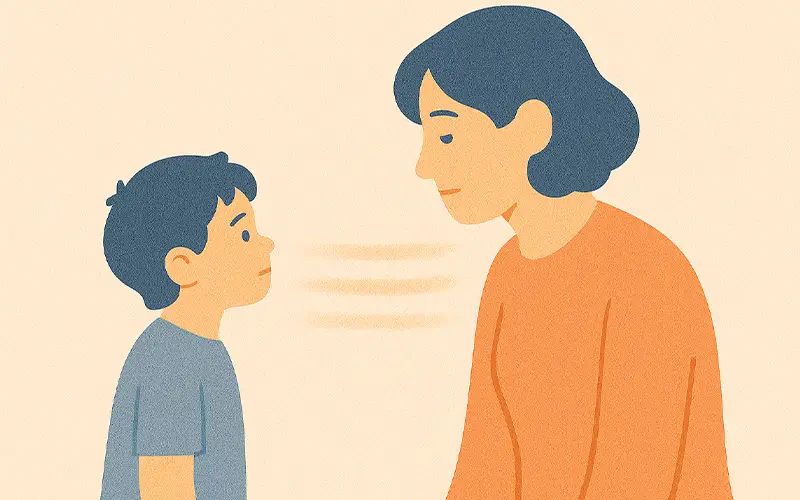
Anxious attachment is a relational pattern shaped by inconsistency, unpredictability, or emotional insecurity in early relationships.
If closeness felt unstable growing up, your nervous system may have learned that love can disappear, that connection must be protected, or that you need to stay hyperaware to feel safe.
As an adult, this can show up as:
- fear of abandonment
- overthinking small changes in tone or behavior
- difficulty calming down when a partner withdraws
- needing reassurance to feel safe
- emotional intensity in relationships
- feeling easily destabilized by uncertainty
Anxious attachment is not a flaw. It is a protective strategy your system learned to survive closeness that did not always feel secure.
For broader context, Cleveland Clinic explains attachment styles, and Verywell Mind has a helpful overview of anxious attachment.
Why Anxious Attachment Forms
Anxious attachment often develops when caregivers were:
- loving but inconsistent
- emotionally unpredictable
- responsive sometimes, but unavailable at other times
- warm under certain conditions, but withdrawn under others
This can teach a child beliefs such as:
- Love can disappear suddenly
- I have to work to stay connected
- If I am not careful, I will be left
- Closeness is safety, and distance is danger
These beliefs often continue into adult relationships unless they are actively healed.
How Anxious Attachment Shows Up in Relationships
Emotionally
You may feel:
- deeply affected by another person's mood or distance
- intense fear when connection feels uncertain
- emotional highs and lows in close relationships
- pressure to keep the bond stable at all times
Mentally
You may notice:
- overthinking texts, silence, or timing
- imagining worst-case scenarios
- constantly scanning for signs of rejection
- difficulty relaxing unless you feel reassured
Behaviorally
You may find yourself:
- asking for reassurance often
- people-pleasing to avoid conflict
- overexplaining or overpursuing
- ignoring red flags to keep connection
- staying in one-sided or inconsistent dynamics
Healing anxious attachment means learning how to meet these fears with more internal stability and less relationship panic.
Anxious Attachment Self-Soothing and Nervous System Regulation
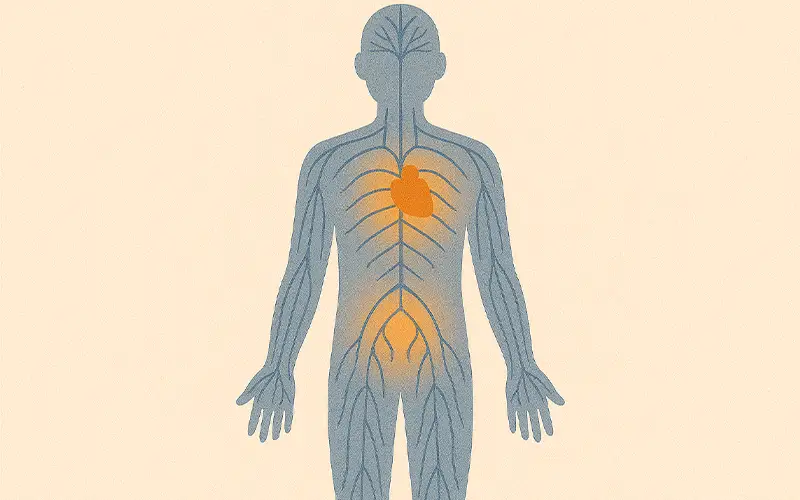
One of the most important parts of healing anxious attachment is understanding that the reaction is not just "in your head."
Anxious attachment is also a nervous system pattern.
Your body may learn to associate:
- closeness with relief
- distance with threat
- ambiguity with danger
- inconsistency with emotional alarm
This is why anxious attachment can feel so immediate and physical. You may know logically that you are okay, but your body still reacts as if disconnection is an emergency.
Understanding this reduces shame and shifts healing away from self-judgment and toward regulation.
9 Practical Steps to Heal Anxious Attachment
1. Learn to regulate before you react
Healing starts with reducing the intensity of your immediate attachment response.
Helpful practices include:
- slow exhale breathing
- grounding through your senses
- pausing before texting or reacting
- naming the feeling directly
- letting the emotional wave settle before acting
A useful script is:
"I feel activated right now, but I do not need to act from this feeling immediately."
This is one of the most important skills for healing anxious attachment.
2. Build internal reassurance
Anxious attachment often relies on outside reassurance to feel okay. Healing means slowly building the ability to soothe yourself too.
Try practicing statements like:
- I can handle uncertainty
- My worth is not defined by someone's immediate response
- Distance does not automatically mean abandonment
- I can stay grounded even when I do not have full clarity yet
Internal reassurance does not replace healthy connection. It helps you stop depending on immediate reassurance for emotional survival.
3. Challenge anxious attachment beliefs
Many anxious patterns are driven by old beliefs that still feel true.
Common beliefs include:
- I must earn love
- If I do not pursue, I will lose them
- If someone pulls away, it means I am not enough
- Love is unstable unless I hold it together
Healing requires replacing these with more secure beliefs, such as:
- Healthy love does not need chasing
- My needs do not make me too much
- Safe people are consistent
- I can be loved without over-functioning
This belief work is slow, but it changes how relationships feel over time.
4. Do inner child work with compassion
A big part of learning how to heal anxious attachment is understanding the younger emotional part of you that still fears being left, forgotten, or not chosen.
Inner child work can include:
- validating what younger you felt
- grieving emotional inconsistency
- offering yourself comfort and reassurance
- learning to protect your needs instead of abandoning them
Helpful inner messages include:
- What I felt made sense
- I am here for myself now
- I do not have to beg for love to be worthy of it
- I can care for the part of me that feels afraid
This work is powerful because anxious attachment often comes from early unmet emotional needs, not just current relationship stress.
5. Practice secure relationship behaviors
Healing is not only internal. It also happens through new behavior.
Secure behaviors include:
- speaking needs clearly instead of hinting
- pausing before overpursuing
- setting boundaries earlier
- tolerating space without spiraling immediately
- choosing honesty over people-pleasing
- noticing when you are acting from fear instead of self-respect
A useful question is:
"What would a more secure version of me do here?"
That question can create space between old pattern and new choice.
6. Stop repeating the anxious-avoidant cycle
Many people with anxious attachment feel strongly drawn to avoidant partners.
This usually happens because the dynamic feels familiar:
- you seek closeness
- they pull away
- you feel more anxious
- you pursue harder
- they need more distance
- the cycle intensifies
Healing anxious attachment means learning to value consistency over intensity.
That includes noticing early signs like:
- mixed signals
- emotional unavailability
- withdrawal during closeness
- vagueness instead of clarity
- affection without consistency
If this pattern feels familiar, related pages like Why Do Avoidants Pull Away? and Why Do I Attract Avoidant Partners? can support this work.
7. Build a secure relationship with yourself
The deepest level of healing anxious attachment is developing inner security.
That means building:
- Self-trust - I can handle difficult feelings without abandoning myself.
- Emotional boundaries - Other people's inconsistency is not proof that I am not enough.
- Secure self-soothing - I can calm myself without needing immediate rescue from someone else.
- Clearer standards - I do not need to stay where clarity, safety, and consistency are missing.
As this internal security grows, your attraction patterns often change too. Relationships begin to feel less like emotional emergencies and more like mutual connection.

8. Use an Anxious Attachment Workbook
You do not need a complicated workbook to start healing anxious attachment. A simple weekly reflection can help you notice patterns and choose more secure responses.
This anxious attachment workbook practice can help:
- What triggered me this week?
- What story did my anxious attachment tell me?
- What did I feel in my body?
- What did I want to do immediately?
- What would a secure response look like?
- What do I actually need?
This practice turns anxious moments into self-understanding. Over time, you start seeing the pattern before it controls you.
If you want a broader map of your attachment pattern, review the Attachment Styles Overview or take the free quiz.
9. Notice What Secure Attachment Feels Like
As healing progresses, you may notice:
- less overthinking
- less panic around space
- more ability to self-soothe
- greater clarity during uncertainty
- stronger boundaries
- attraction to steadier people
- less need to chase or overexplain
- more peace in close relationships
Secure attachment does not mean you never feel activated. It means you recover faster, trust yourself more, and depend less on panic for connection.
These small repetitions matter. Healing anxious attachment usually happens through consistent micro-shifts, not one big breakthrough.
For a deeper look at the destination, see the Secure Attachment Style page.
Can Anxious Attachment Really Be Healed?
Yes.
Anxious attachment can absolutely improve, and for many people it changes significantly over time.
Healing does not mean becoming perfectly calm in every relationship. It means becoming more grounded, less reactive, and more capable of closeness that does not consume you.
A healthy relationship can support this process, but it cannot do the inner work for you. Real healing comes from both internal change and safer relational experiences.
Your current page already makes this point, and it is worth keeping central because it is one of the most reassuring messages for this topic.
Want a Clearer Picture of Your Attachment Pattern?
Healing starts with awareness.
Take the free quiz and unlock your personalized report to better understand whether you lean anxious, avoidant, fearful-avoidant, or secure.
Take the Free Attachment Style QuizGet a clearer view of your attachment style, emotional triggers, self-soothing patterns, and relationship dynamics.
FAQ
Related Reading
You may also find these helpful:
Final Thoughts
If you are learning how to heal anxious attachment, remember this: the goal is not to stop caring, stop needing people, or become emotionally distant.
The goal is to feel safe enough inside yourself that love no longer has to feel like panic.
Anxious attachment is a learned protection pattern. That means it can be softened, updated, and healed. With enough awareness, regulation, and secure practice, relationships can begin to feel steadier, clearer, and far less consuming than they once did.