Attachment Analysis
Why Do Avoidants Need Space?
Understanding why avoidants need space, how distance helps them regulate emotions, and what it means in a relationship.
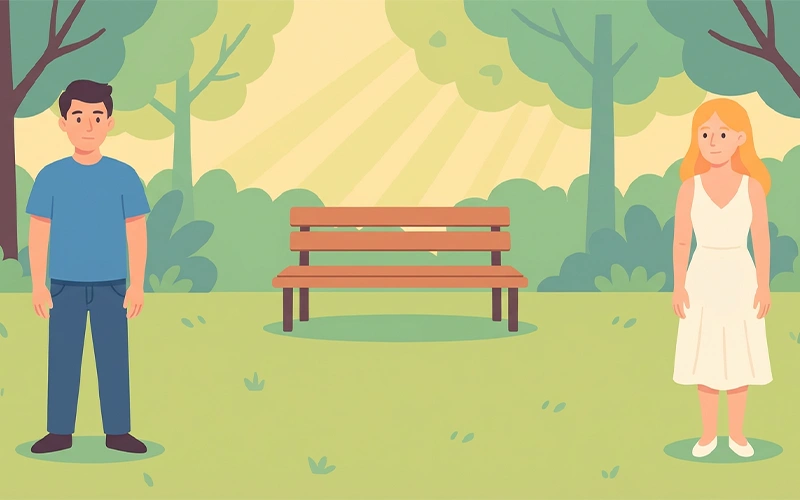
If you have ever wondered why avoidants need space, especially right after moments of closeness, you are not alone.
To the other person, the need for space can feel confusing, rejecting, or sudden. One moment, the connection feels warm and open. The next, the avoidant partner becomes quieter, more distant, or emotionally unavailable.
Avoidants often need space because emotional closeness can feel overwhelming, vulnerable, or too intense to process comfortably. In many cases, space is not about punishment, indifference, or lack of care. It is a self-protective way of regulating internal stress.
That does not always mean they are losing interest. Often, it means closeness has activated discomfort that they do not yet know how to handle while staying emotionally present.
In this guide, you will learn why avoidants need space, what it usually means, how to tell healthy space from unhealthy distancing, and what to do if you are on the receiving end of it.
Avoidants may need space because emotional closeness, vulnerability, expectations, or conflict can feel overwhelming. Distance can help them lower emotional intensity, regain a sense of independence, and regulate themselves. But healthy space is temporary and communicated; repeated silence or withdrawal without repair is a different pattern.
Quick Answer
Why do avoidants need space?
Avoidants may need space because distance helps reduce emotional overwhelm, restore a sense of autonomy, and make vulnerability feel more manageable. Space can be a form of self-regulation rather than rejection. However, healthy space still includes communication, reconnection, and respect for both people's needs.
What "Needing Space" Usually Means
When people ask why avoidants need space, they often assume it simply means wanting freedom or not wanting commitment.
In reality, space serves a specific emotional function.
For many avoidants, space helps them:
- calm internal overwhelm
- lower emotional intensity
- regain a sense of independence
- reduce vulnerability
- feel more in control of what they are feeling
In other words, space is often about regulation, not rejection. If you are trying to understand signs of care alongside distance, see Signs an Avoidant Loves You.
6 Real Reasons Avoidants Need Space
1. Closeness can feel emotionally overwhelming
Avoidants may genuinely care, but intimacy can still feel like too much too fast. When emotions rise, distance can feel easier than staying present with vulnerability.
2. They fear losing independence
Many avoidants strongly value autonomy. As a relationship gets closer, they may worry that emotional intimacy will turn into pressure, dependence, or loss of self.
3. Vulnerability feels unsafe
Being emotionally seen can activate discomfort, shame, or fear. Even healthy closeness may feel risky if they learned early on that emotional needs were ignored, criticized, or overwhelming.
4. They use distance to self-regulate
Rather than talking through stress in real time, avoidants often cope by pulling back. Space becomes their fastest way to calm down internally.
5. Expectations can feel pressuring
Future talk, regular contact, emotional availability, or a partner's needs may be experienced as heavy expectations rather than connection.
6. Their attachment system gets activated by intimacy
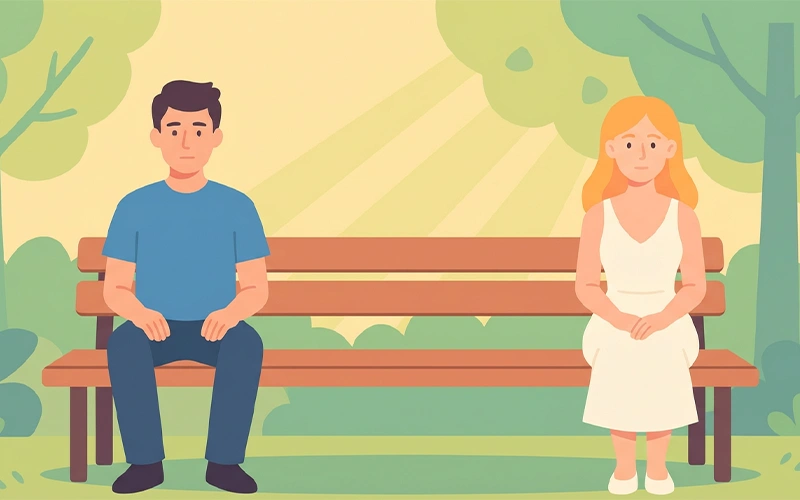
One of the biggest misunderstandings is that avoidants usually need space after closeness, not because of distance. The relationship starts to matter more, and that activates deeper fears around dependence and vulnerability.
Why Space Is Often Triggered by Closeness
Many people assume avoidants need space because the relationship is weak or because something has gone wrong.
But the urge for space often appears after:
- emotional vulnerability
- a very good date
- increased closeness
- future planning
- spending a lot of time together
- feeling emotionally needed
This is why avoidants may seem warm and connected one day, then distant the next. What changed is not always their feelings. What changed is the level of emotional intensity they are trying to manage.
What Avoidants Often Experience Internally
From the outside, needing space may look cold, detached, or confusing. Internally, it often feels more like:
- "This is too much."
- "I need to breathe."
- "I feel overwhelmed."
- "I need to reset."
- "I want closeness, but I also need distance."
Avoidants do not always consciously think in attachment terms. They may simply notice that they feel relief once distance is restored.
That internal relief is part of why avoidants need space even in relationships that matter to them.
Does Needing Space Mean They Are Losing Interest?
Not necessarily.
A crucial part of understanding why avoidants need space is separating emotional regulation from loss of interest. Avoidants often still care deeply. They just do not process closeness the same way others do.
That said, not all space is healthy. Sometimes distance does reflect uncertainty, low readiness, or emotional unavailability. The key is to look at the pattern over time.
Someone who needs healthy space usually reconnects. Someone who is drifting away often becomes consistently less engaged, less invested, and less available.
If you are unsure which dynamic you are seeing, this is closely related to the pattern discussed in Why Do Avoidants Lose Interest Suddenly?
Healthy Space vs Unhealthy Distancing
| Pattern | Healthy Space | Unhealthy Distancing |
|---|---|---|
| Communication | The need for space is communicated | Silence or vagueness leaves the other person guessing |
| Duration | Temporary and reasonably bounded | Open-ended or repeatedly indefinite |
| Reconnection | Followed by contact or conversation | Little or no meaningful reconnection |
| Repair | Concerns can be discussed afterward | The pattern repeats without repair |
| Impact | Creates room to regulate | Creates chronic anxiety and uncertainty |
| Needs | Both people's needs still matter | One person's need for distance consistently overrides the other's need for clarity |
Healthy space allows room to breathe, not room to disappear.
Why Their Need for Space Can Feel So Personal
If you are on the receiving end of avoidant distance, it is easy to ask:
- Did I do something wrong?
- Why are they pulling away now?
- Are they losing feelings?
- Was I too much?
This reaction is especially common if you lean anxious in relationships. To an anxious partner, space can feel like rejection, unpredictability, or loss of safety.
But an avoidant's need for space is usually driven more by internal discomfort than by your worth as a partner.
That does not mean your feelings are not real. It means the pattern is often about attachment regulation, not your value.

What to Do When an Avoidant Needs Space
- Do not personalize the request immediately.
- Ask what “space” means.
- Agree on a reasonable reconnection point where possible.
- Avoid repeated chasing or pressure.
- Continue your own routines and emotional regulation.
- Watch whether they reconnect with effort.
- Protect your own boundaries if space becomes indefinite.
You might say: “I can give you some space. It would help me to know what that means and when we can check in again.”
If the silence continues, a boundary can sound like: “I respect that you need space, but ongoing silence is difficult for me. I need some clarity about when we will reconnect.”
Understanding attachment can explain someone's need for distance, but it does not mean you have to accept indefinite silence or suppress your own needs.
Can Avoidants Learn to Need Less Space?
Yes, but not through force, pressure, or emotional pursuit.
Avoidants often need:
- emotional safety
- predictable connection
- non-intrusive communication
- greater self-awareness
- healthier tools for handling vulnerability
As these increase, the nervous system gradually becomes less dependent on distance as the main coping strategy.
This is part of why avoidants sometimes reconnect after enough space. Once the internal pressure drops, closeness can feel safer again. That related cycle is explored in Why Do Avoidants Come Back?
When Needing Space Becomes a Repeating Problem
Needing space is not automatically unhealthy. The problem begins when:
- space replaces communication
- distance appears whenever intimacy deepens
- the same push-pull cycle repeats with no awareness
- you are left chronically anxious, confused, or emotionally deprived
At that point, the issue is no longer just "space." It is a relationship pattern that may not feel safe or sustainable for both people.
If distance becomes colder and less repairable, the related pattern may resemble Avoidant Discard, though labels cannot replace attention to repeated behavior.
How Long Do Avoidants Usually Need Space?
There is no universal timeline. Some people may need hours, while others may need days. Avoid giving the situation a fixed “avoidant timeline”; focus instead on whether they communicate, reconnect, and participate in repair.
Indefinite silence is not the same as healthy space. A reasonable request for time should still leave room for clarity and mutual boundaries.
What Happens When You Give an Avoidant Space?
Pressure may decrease, and the person may feel more regulated or become more willing to reconnect. Giving space does not guarantee that they will return, though. The purpose should be respecting boundaries and allowing clarity, not controlling their response.
If they do reconnect, the quality of that reconnection matters more than the fact that they returned. See Why Do Avoidants Come Back?.
When Your Partner Needs Space but You Need Closeness
One partner may regulate through distance, while the other regulates through reassurance and closeness. Needing closeness is not inherently unhealthy; both needs deserve to be understood.
- Clarify what “space” actually means.
- Agree on a reconnection point where possible.
- Avoid repeated pursuit during the agreed space.
- Do not silence your own needs indefinitely.
- Evaluate whether both people can compromise.
For more on this mismatch, see Anxious vs Avoidant Attachment.
How Much Space Is Too Much?
Space may be too much when there is no communication, no agreed return point, or silence repeatedly lasts indefinitely. It is also a concern when the relationship only functions when one person suppresses their needs, repair never happens, or distance becomes the permanent relationship structure.
Does Giving an Avoidant Space Make Them Miss You?
They may miss you once pressure decreases, but they also may not. Space should not be used as a tactic to manufacture longing. Missing someone is different from being ready for a healthy relationship. Read more in Do Avoidants Miss You?.
Does an Avoidant Need Space Because They Are Losing Interest?
Needing space may be regulation if warmth and effort return, the person reconnects, communication improves, and the relationship continues moving forward.
Possible disengagement may look like declining effort, no reconnection, vague communication, little concern about impact, and no interest in repair. Compare the pattern with Signs an Avoidant Is Done With You.
Needing Space vs Disappearing
Needing space is communicated, temporary, and followed by reconnection. Disappearing involves silence, vagueness, no repair, and uncertainty about whether the relationship still exists. For a focused comparison, see Why Do Avoidants Disappear?.
Want to Understand Your Own Attachment Pattern?
When a partner asks for space, your own attachment style can shape whether distance feels calming, neutral, or deeply threatening.
Take the Free Attachment Style QuizNo email required. No sign-up needed.
FAQ
Related Reading
You may also find these helpful:
Final Thoughts
If you have been asking why avoidants need space, the answer usually lies in how avoidant attachment regulates closeness.
Space helps avoidants feel safer when intimacy starts to feel too intense. That does not automatically mean the connection is fake or that feelings are gone. But it also does not mean every distance pattern is healthy.
Understanding the difference can reduce confusion, self-blame, and reactive cycles. It can also help you decide what kind of connection is actually sustainable for you.