Anxious Attachment Roots
What Causes Anxious Attachment? Common Roots and Patterns
Learn why anxious attachment forms, how early inconsistency can shape adult relationships, and why closeness can feel so uncertain even when you want it deeply.
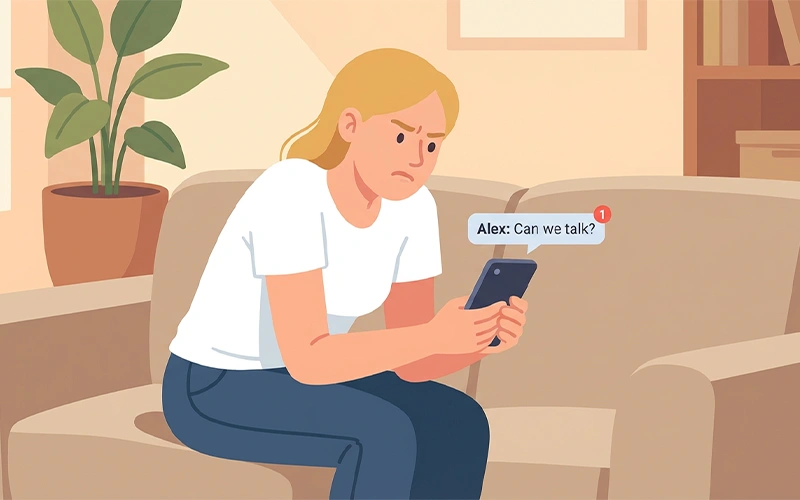
Anxious attachment often begins when love, attention, or emotional safety feels uncertain.
You may deeply want closeness but still feel worried that it can disappear. A delayed text may feel like rejection. A partner needing space may feel like abandonment. A small shift in tone, timing, or affection can set off a much bigger reaction inside your body.
If you have ever asked, " why do I have anxious attachment in relationships?" the answer is usually not one single event. It is more often a repeated pattern of inconsistency, emotional unpredictability, or painful relationship experiences that taught your nervous system to stay on alert.
This guide focuses on what causes anxious attachment, how it can form in childhood or adulthood, and why those roots often show up later as anxious attachment triggers.
Quick note: This article is for educational and self-reflection purposes. It is not a diagnosis and does not replace professional support.
Quick Answer
What causes anxious attachment?
Anxious attachment is often caused by inconsistent care, emotional unpredictability, fear of abandonment, conditional affection, early separation, emotional distance, or later relationships that made closeness feel unstable or unsafe.
What Is Anxious Attachment?
Anxious attachment is an insecure attachment pattern where a person wants closeness deeply but often fears that connection will be taken away.
In everyday life, that can look like overthinking texts, scanning for changes in tone, worrying about being too much, needing reassurance, or feeling unsettled when someone pulls away. It is not the same thing as being needy or broken. It often means your attachment system learned to monitor closeness closely because closeness once felt uncertain.
For a broader overview of attachment patterns, see the attachment styles overview from Cleveland Clinic. If you want the wider style map on this site, read the anxious preoccupied attachment style page.
The Main Root: Inconsistent Emotional Safety
The most common root of anxious attachment is inconsistency, not always absence.
A person may receive comfort sometimes and miss it at other times. They may be loved, but not reliably soothed. They may be cared for, but not in ways that feel predictable enough for the nervous system to trust.
That can teach a child or adult brain a quiet rule: connection is possible, but it cannot be fully trusted.
Once that rule is in place, even small signs of distance can feel big. A partner's slower replies, distracted tone, or need for space may activate the same fear again and again.
1. Inconsistent Caregiving
One common cause of anxious attachment is inconsistent caregiving. A caregiver may have been loving at times, but stressed, overwhelmed, distracted, or hard to rely on at other times.
A child learns from repetition. If comfort arrives sometimes and not others, the child may become highly alert to the next sign of closeness or withdrawal.
That same alertness can follow people into adult relationships, where a delay in reply or a change in tone can feel like danger.
2. Emotional Unpredictability
Anxious attachment can also form when emotional connection feels unpredictable. Someone may have been warm one moment and distant the next, affectionate when calm, and unavailable under stress.
This kind of emotional switching can make a person become excellent at reading moods, but poor at feeling secure.
In adulthood, the same sensitivity can become hypervigilance. Tiny shifts in tone, timing, or energy can feel loaded with meaning.
If you want to see how this pattern plays out in love, read anxious attachment in relationships.
3. Conditional Affection
Some people develop anxious attachment because love felt conditional. Attention may have been easier to receive when they were helpful, high-achieving, quiet, pleasing, or emotionally easy.
Over time, that can teach a painful belief: I have to earn love.
In relationships, this can show up as overgiving, people-pleasing, hiding needs, or trying hard not to upset anyone. It can also make normal needs feel embarrassing.
4. Early Separation or Loss
Early separation, loss, or sudden disruptions in caregiving can also contribute to anxious attachment.
This might include divorce, death, hospitalization, relocation, being sent away, or repeated changes in who was available and when.
Even when no one meant harm, the emotional meaning can stay with the body: people I love can disappear.
5. Loving but Overwhelmed Caregivers
Anxious attachment can develop even in homes where love was present. A caregiver may have cared deeply, but also been overwhelmed by stress, illness, work, depression, anxiety, or emotional burden.
The child may remember being loved, but not always feeling fully held in the moments that mattered most. That can create a lasting craving for confirmation in adulthood.
6. Having to Work for Attention
Some people learn that attention has to be earned. They may have gotten more connection when they were impressive, useful, easy, or emotionally manageable.
That can turn into a lifelong pattern of proving value. Instead of feeling loved simply for being present, the nervous system starts to believe that attention must be maintained.
7. Fear of Abandonment
Fear of abandonment is both a symptom and a cause of anxious attachment. It can grow from early inconsistency, repeated loss, or later painful relationship experiences.
Once that fear becomes active, a delayed reply can feel like rejection, and a partner needing space can feel like the beginning of loss.
8. Emotionally Distant or Unavailable Parents
A caregiver can be physically present and still emotionally distant. A child may have practical care but not enough warmth, attunement, or comfort.
That gap can create emotional hunger. Later, the person may feel strongly drawn to reassurance, affection, and clear signs that they matter.
It can also make emotionally reserved partners feel especially hard to trust. That is one reason the dynamic between anxious and avoidant attachment can feel so intense.
Read more in anxious vs avoidant attachment and avoidant attachment in relationships.
9. Unpredictable Conflict at Home
Growing up around unpredictable conflict can train a child to monitor the emotional environment closely.
Tone changes, silence, criticism, or withdrawal may start to feel dangerous. In adulthood, this can turn into a habit of watching for signs that someone is upset, pulling away, or about to leave.
10. Parentification or Emotional Responsibility
Some people become anxious because they learned to manage other people's emotions too early.
If you had to calm others, keep peace, or stay mature to reduce stress, you may have learned that your safety depends on how well you regulate the room.
In adult relationships, that can become a strong urge to fix tension quickly or soothe a partner before you feel safe yourself.
11. Being Shamed for Needs
If your needs were treated as too much, you may have learned to feel ashamed of wanting comfort, closeness, or reassurance.
That creates a painful split: part of you wants connection, while another part fears asking for it.
This is one reason anxious attachment can be so emotionally confusing. The need for closeness is real, but so is the fear of being judged for having it.
12. Inconsistent Romantic Relationships
Adult relationships can create or intensify anxious attachment, especially if they involve ghosting, cheating, hot-and-cold behavior, mixed signals, or repeated emotional withdrawal.
Even someone who felt relatively secure before can become more anxious after enough inconsistency. The body starts to expect loss and watches harder for signs that it is coming.
13. Anxious-Avoidant Relationship Cycles
Anxious attachment can become stronger in an anxious-avoidant relationship cycle. One person pursues closeness to feel safe while the other pulls away to feel safe.
That push-pull loop can make anxiety grow over time. The anxious partner feels abandoned; the avoidant partner feels pressured; both people end up more activated.
14. Betrayal, Rejection, or Sudden Breakups
Painful relationship experiences can also shape anxious attachment. Being ghosted, left without explanation, cheated on, replaced quickly, or suddenly broken up with can make closeness feel dangerous.
The body may start to brace for the next loss before it arrives. That is one reason people can feel anxious even with a new partner who has not hurt them.
15. Low Self-Worth Around Love
Anxious attachment is often tied to the belief that love must be earned or protected.
If part of you believes you are easy to leave, too much, or not enough, then any sign of distance can feel like confirmation.
Rebuilding self-worth is not a side note. It is often part of how anxious attachment becomes more secure over time.
Can Anxious Attachment Develop in Adulthood?
Yes. Anxious attachment can develop or intensify in adulthood after betrayal, abandonment, repeated ghosting, emotionally unavailable partners, or long periods of uncertainty in love.
Attachment is not always fixed. A person may feel secure in one relationship and activated in another. The environment matters a great deal.
Why Do I Have Anxious Attachment If My Childhood Was Good?
This is a very common question. You do not need a dramatic trauma story for anxious attachment to form.
A childhood can be good overall and still include subtle emotional inconsistency, stress, or distance that teaches your nervous system to stay watchful. Adult relationship wounds can also add to the pattern later.
You do not have to prove your past was bad enough to take your current pattern seriously.
What Causes Anxious Attachment Triggers?
Triggers happen when the present moment resembles an old emotional fear.
A late reply, a canceled plan, a partner needing space, or a small shift in warmth can all activate the attachment system. The current event may be small, but the meaning feels huge.
If you want a deeper map of those moments, read anxious attachment triggers or move straight to anxious attachment self-soothing.
How the Causes Become Relationship Patterns
The roots of anxious attachment do not stay in the past. They often show up as overthinking, reassurance-seeking, fear of abandonment, difficulty tolerating distance, and a strong need to know where the relationship stands.
In some cases, this pattern leads people toward partners who are emotionally unavailable or inconsistent. That is why the same wound can keep getting replayed.
If you want to see the pattern in romantic context, read anxious attachment in relationships.
Is Anxious Attachment Your Fault?
No. Anxious attachment is usually a learned protection pattern, not a personal failure.
You are not responsible for the early inconsistency, distance, or emotional unpredictability that shaped your attachment system. But understanding the pattern can help you respond to it differently now.
Can Anxious Attachment Be Healed?
Yes. Anxious attachment can become more secure over time.
Healing often includes understanding your triggers, calming your body, asking for reassurance more clearly, setting boundaries with inconsistency, and choosing relationships that feel steady enough to trust.
If you want the next practical step, start with how to heal anxious attachment. If you want a more immediate regulation tool, read anxious attachment self-soothing.
What to Do After Understanding the Cause
Insight can bring relief. It can help you see that your system learned this pattern for a reason.
After understanding the cause, ask:
- What usually triggers my anxiety first?
- What story do I tell myself when someone pulls away?
- Do I choose partners who repeat the wound?
- What kind of consistency helps me feel safe?
- What would a secure response look like here?
If you want a structured next step, the anxious attachment workbook can help you turn insight into practice.
Next Step
Want to know your attachment pattern?
If you are still trying to connect the dots, take the free quiz and compare your results with the style pages.
Related Reading
Final Thoughts
Anxious attachment usually does not come from nowhere. It often grows from repeated experiences where closeness felt uncertain, inconsistent, or hard to trust.
Maybe care was unpredictable. Maybe affection felt conditional. Maybe someone important left, withdrew, or became emotionally unavailable. Maybe later relationships taught your body to expect loss.
Whatever the root, anxious attachment is not proof that you are broken. It is a protection pattern. And patterns can change.
With awareness, self-soothing, secure communication, healthier relationships, and more consistent safety, anxious attachment can soften over time.