Attachment Analysis
Anxious vs Avoidant Attachment: Key Differences
Understanding how anxious and avoidant attachment differ, why they often attract, and how the push-pull cycle can become more secure.
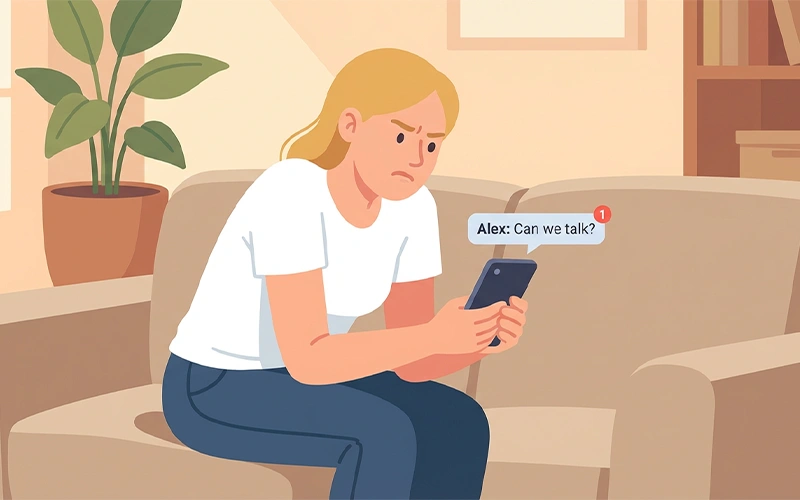
Anxious and avoidant attachment can look like opposite strategies, but both are trying to solve the same problem: how to feel safe in relationships.
The anxious person often moves toward connection when stress shows up. The avoidant person often moves toward distance. That difference can create a strong anxious avoidant relationship dynamic, especially when closeness and uncertainty show up at the same time.
If you are asking whether this is anxious vs avoidant attachment, avoidant vs anxious attachment, or simply a push-pull relationship attachment pattern, this guide breaks it down clearly and keeps the focus on what helps people move toward security.
Quick note: This article is for education and self-reflection. It is not a diagnosis of you, your partner, or your relationship.
Quick Answer
What is the difference between anxious and avoidant attachment?
Anxious attachment fears abandonment and seeks closeness, while avoidant attachment fears being overwhelmed or trapped and seeks space. Under stress, one moves toward connection and the other moves away from it.
What Is Anxious Attachment?
Anxious attachment is a relational pattern where uncertainty can feel threatening and closeness feels deeply important.
When someone leans anxious, their nervous system may react quickly to slow replies, emotional distance, mixed signals, or anything that feels like the bond is slipping.
- fear of abandonment
- overthinking silence or changes in tone
- strong need for reassurance
- difficulty calming down when closeness feels uncertain
- people-pleasing to preserve connection
For broader context, Cleveland Clinic has a helpful overview of attachment styles.
If you want a deeper look at the anxious side of this pattern, see Anxious-Preoccupied Attachment Style.
What Is Avoidant Attachment?
Avoidant attachment is a relational pattern where too much closeness can feel overwhelming, pressuring, or threatening to independence.
Someone with avoidant tendencies may care deeply and still pull back when emotional intensity increases or when a relationship starts to feel demanding.
- needing space to feel regulated
- pulling away after intimacy
- avoiding vulnerable conversations
- minimizing feelings or keeping things surface-level
- shutting down when pressure rises
Cleveland Clinic also has a concise overview of avoidant attachment style.
For a deeper look at the avoidant side, read Dismissive Avoidant Attachment Style.
Anxious vs Avoidant Attachment: Side-by-Side
Anxious Attachment
- fears abandonment and rejection
- moves toward closeness when stressed
- seeks reassurance and clear communication
- can overthink silence or distance
- may protest or pursue when afraid
Avoidant Attachment
- fears being overwhelmed or trapped
- moves toward distance when stressed
- seeks space and emotional breathing room
- can minimize needs or shut down
- may withdraw when closeness increases
Both patterns are protective. The difference is not who cares more. The difference is how each person tries to feel safe when closeness gets intense.
Why Anxious and Avoidant Attachment Attract
Anxious and avoidant attachment often attract because the dynamic is emotionally charged and familiar.
The anxious partner seeks connection. The avoidant partner seeks space. That creates a strong push-pull relationship attachment pattern: one person reaches, the other pulls back, and both people feel activated.
The anxious person may feel relief when the avoidant partner returns. The avoidant person may feel relief when the pressure drops. That temporary relief can make the cycle feel meaningful, even when it is not actually secure.
If this pattern feels familiar, related pages like Why Do Avoidants Pull Away? and Why Do I Attract Avoidant Partners? can help.
How the Anxious Avoidant Cycle Works
This cycle often follows a familiar pattern:
- The relationship feels close or exciting.
- The avoidant partner starts to feel pressure or overwhelm.
- The avoidant partner pulls away or becomes less available.
- The anxious partner feels activated and uncertain.
- The anxious partner seeks reassurance or clarity.
- The avoidant partner feels more pressure and withdraws further.
- Distance lowers the tension for the avoidant partner.
- The avoidant partner returns, and the cycle repeats.
This can be confusing because the returning feels like relief. But relief is not the same thing as security.
When the cycle repeats, a relationship can become more about regulating anxiety than building mutual trust.
For a nearby example of the anxious side of this trigger loop, read Why Do Relationships Make Me Anxious?.
How Each Style Experiences the Other
What anxious attachment may feel
To the anxious partner, avoidant distance can feel like rejection, uncertainty, or loss. The nervous system may scan for signs that the relationship is slipping.
- “Are they losing interest?”
- “Did I do something wrong?”
- “Why does it feel different now?”
What avoidant attachment may feel
To the avoidant partner, anxious pursuit can feel like pressure, expectation, or emotional flooding. The nervous system may see closeness as something to manage by creating distance.
- “I need space.”
- “This is getting too intense.”
- “I feel trapped or overwhelmed.”
That is why avoidant partners often need space, and why that space can be so hard on an anxious partner without clear communication.
If you want to understand the avoidant response more directly, see Why Do Avoidants Need Space?.
Can Anxious and Avoidant Attachment Work?
Yes, but only if both people are willing to change the pattern.
The anxious partner usually needs to build self-soothing, clearer boundaries, and more self-trust. The avoidant partner usually needs to communicate before withdrawing, tolerate more emotional presence, and repair after distance.
When only one person is doing the work, the relationship usually stays stuck. When both people grow, the dynamic can become calmer and more secure.
If you want to see how attachment patterns can shift toward security, the Attachment Styles Overview is a helpful starting point.
How to Move Toward Secure Attachment
The goal is not to make the anxious person stop needing closeness or the avoidant person stop needing space.
The goal is to make closeness and space feel safe enough that neither person has to protect themselves through panic or withdrawal.
- ask for reassurance without testing or protesting
- ask for space without disappearing
- say what you need directly
- repair after conflict instead of letting the pattern harden
- notice whether the relationship is growing or looping
For the anxious side of the work, you may also find How to Heal Anxious Attachment useful.
Want to Know Which Attachment Pattern Fits You?
If you are trying to figure out whether you lean anxious, avoidant, fearful-avoidant, or secure, the free quiz gives you a clearer starting point.
Take the Free Attachment Style QuizUse your report to see your attachment style, relationship triggers, and the patterns that keep showing up.
FAQ
Related Reading
You may also find these helpful:
Final Thoughts
Anxious vs avoidant attachment is not about one person being too much and the other person not caring enough. Both patterns are ways of trying to stay safe.
The issue is that those safety strategies can collide. One partner reaches, the other retreats, and both people end up feeling misunderstood.
Once you can name the pattern, you can stop treating every reaction like a personal failure and start looking at what the relationship is actually asking for: more clarity, more repair, and more secure connection.
If you are still unsure where you fit, the free attachment style quiz is the best next step.