Attachment Analysis
Why Do Avoidants Lose Interest Suddenly?
Understanding why avoidants can seem deeply interested one moment and emotionally distant the next.
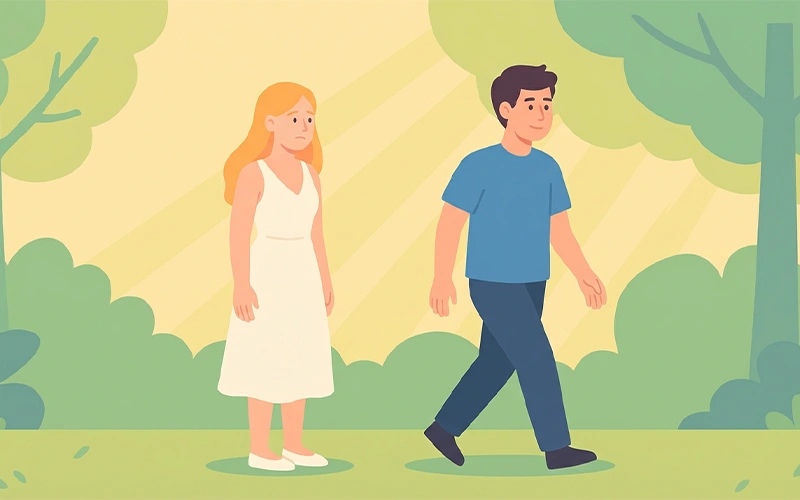
If you have ever felt blindsided by someone who seemed engaged, affectionate, or emotionally present one moment and distant the next, you are not alone.
Many people search for why avoidants lose interest suddenly after experiencing a shift that feels confusing, personal, and painful. At first, everything may seem promising. Communication feels steady. Attraction appears mutual. The relationship starts to feel more real. Then, without much explanation, the avoidant partner pulls back, disengages, or seems to lose interest.
Avoidants often seem to lose interest suddenly because closeness can trigger internal discomfort, fear of vulnerability, and a need for emotional distance. In many cases, what looks like sudden disinterest is actually a protective attachment response.
If you want the broader attachment pattern behind this, see Why Do Avoidants Pull Away?.
That does not always mean their feelings disappeared overnight. Often, it means emotional intensity started to feel harder to manage than the connection itself.
In this guide, you will learn why avoidants lose interest suddenly, what this pattern usually means, how to tell the difference between fear and genuine disengagement, and what to do next.
Quick Answer
Why do avoidants lose interest suddenly?
Avoidants often seem to lose interest suddenly when emotional closeness starts to feel overwhelming, vulnerable, or too demanding. What looks sudden from the outside is often the result of internal discomfort building quietly over time.
What "Losing Interest Suddenly" Usually Means
When people ask why avoidants lose interest suddenly, they often assume interest simply vanished.
In reality, avoidants rarely go from fully invested to emotionally detached overnight. More often, the relationship begins to feel more intimate, more emotionally significant, or more demanding, and their attachment system responds by creating distance.
What looks like sudden loss of interest is often:
- emotional overwhelm
- discomfort with vulnerability
- fear of dependence
- nervous system shutdown
- a need to regain internal control
This does not always mean boredom, dishonesty, or lack of attraction. It often means closeness has started to feel harder to tolerate.
What It Can Look Like When an Avoidant Loses Interest
If you are trying to understand this pattern, these are some common signs:
- they text less often or take longer to reply
- they stop initiating contact
- they seem warm one day and detached the next
- they become vaguer about plans
- they avoid deeper emotional conversations
- they feel more focused on work, hobbies, or independence
- they seem flat or disconnected after closeness
These changes can feel abrupt, especially if things seemed to be going well right before the shift.
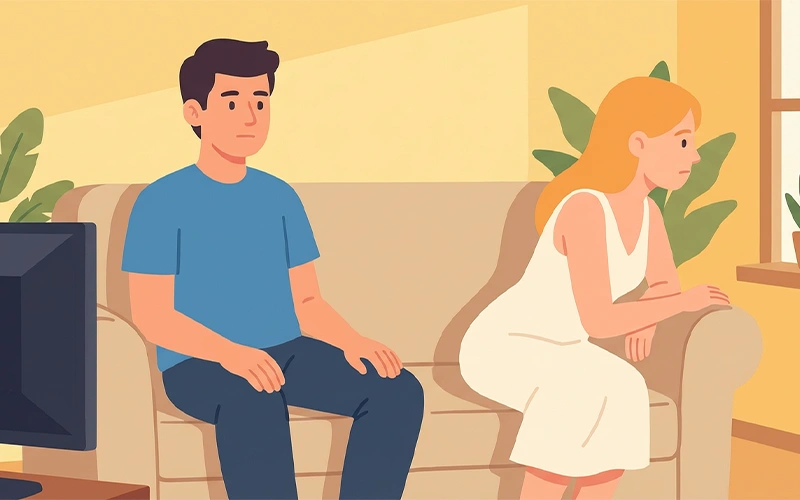
7 Real Reasons Avoidants Seem to Lose Interest Suddenly
1. Closeness starts to feel overwhelming
Avoidants may enjoy connection at first, but as intimacy builds, the emotional intensity can start to feel like too much. Distance becomes a way to reduce that overwhelm.
2. Vulnerability feels unsafe
Being emotionally seen can trigger discomfort, fear, or shame. Even when they care, deeper closeness may feel risky rather than comforting.
3. They fear losing independence
Avoidants often place a strong value on autonomy. As the relationship becomes more connected, they may worry about pressure, dependence, or loss of self.
4. Emotional expectations begin to feel heavy
Things like regular communication, emotional availability, future planning, or being relied on can feel more intense than they appear from the outside.
5. Their attachment system deactivates feelings
Avoidants do not always consciously think, "I am losing interest." Instead, they may suppress feelings, disconnect internally, or feel relief through distance. This can make it seem like the feelings disappeared.
6. The relationship becomes more real
One confusing part of this pattern is that it often happens when things are actually going well. That is because increasing closeness, not just conflict, can trigger avoidant defenses.
7. Internal discomfort builds before it becomes visible
What seems sudden to you may not feel sudden inside them. Avoidants often suppress discomfort until it reaches a threshold, and then the withdrawal seems abrupt.
Why It Often Happens When Things Are Going Well
One of the most confusing parts of why avoidants lose interest suddenly is that the shift often happens when the relationship feels warm, connected, or emotionally promising.
That is because closeness itself is often the trigger.
As intimacy grows, so does vulnerability. For an avoidant nervous system, that can feel less like safety and more like emotional risk. So the better things feel, the more internal pressure may quietly build.
This is why avoidants may seem interested, affectionate, and present right before they pull away.

Do Avoidants Actually Lose Feelings?
Not always.
Avoidants can still care deeply and yet appear emotionally detached. In many cases, their feelings are not gone. They are suppressed, muted, or pushed out of awareness because the closeness feels too intense.
That said, not every avoidant withdrawal is purely fear. Sometimes the person is genuinely unsure, emotionally unavailable, or no longer able to invest in the relationship.
The key is to look at the larger pattern:
- Do they reconnect later?
- Do they show relief after distance?
- Does this happen repeatedly after closeness?
- Do they avoid intimacy across relationships?
If so, the pattern may be more about avoidance than true loss of feeling.
It may be more about fear if:
- the shift happens after intimacy increases
- they pull away when the relationship feels closer
- they later come back or reconnect
- they seem conflicted rather than fully indifferent
- the pattern repeats across time
It may be genuine loss of interest if:
- they become consistently less invested
- they stop showing care over time
- they do not reconnect meaningfully
- they avoid accountability and clarity
- the relationship simply fades without repair
This distinction matters because avoidant distance and true disengagement can look similar in the moment.
Why This Feels So Personal
When someone seems to lose interest suddenly, it is easy to ask:
- What did I do wrong?
- Was I too much?
- Did I scare them away?
- Was any of it real?
But avoidant withdrawal is often internally driven. It usually reflects their discomfort with closeness, not your worth, attractiveness, or value.
That does not make the experience less painful. It simply means the pattern is often about how they regulate vulnerability, not about you being fundamentally unlovable or "too much."
What to Do When an Avoidant Seems to Lose Interest
Do not chase the shift too quickly
Repeated messages, emotional pressure, or urgent demands for reassurance can intensify their need for distance.
Do not personalize the silence immediately
Their withdrawal often reflects internal overwhelm, not a final judgment of your worth.
Watch patterns instead of analyzing one moment
Was this a one-time change, or part of a repeating cycle of closeness and withdrawal?
Ask for clarity when possible
A calm, grounded conversation can tell you more than guessing. Look for whether they can name what is happening or whether they stay vague and avoidant.
Protect your emotional boundaries
Compassion matters, but it should not require you to live in confusion, anxiety, or chronic instability.
Focus on sustainability, not only explanation
Understanding why avoidants lose interest suddenly may reduce self-blame, but it does not automatically make the relationship healthy.
Do Avoidants Come Back After Losing Interest?
Sometimes, yes.
The same mechanism that causes avoidants to pull away can also make them come back. Once distance restores a sense of safety and lowers emotional pressure, positive feelings can become easier for them to access again.
That is one reason avoidants may appear to lose interest suddenly and then later return.
But a return does not automatically mean lasting change. If the underlying pattern remains the same, the push-pull cycle often repeats.
For more on that pattern, see Why Do Avoidants Come Back?.
When This Pattern Becomes a Bigger Problem
Occasional confusion is one thing. Repeated emotional whiplash is another.
This dynamic becomes more serious when:
- closeness is repeatedly followed by withdrawal
- communication drops without explanation
- you feel chronically anxious or destabilized
- they return without accountability
- the same cycle repeats with no real change
At that point, the issue is no longer just "sudden loss of interest." It is a relationship pattern that may not feel secure or sustainable.
Decode Your Attachment Dynamic
If this pattern feels familiar, your own attachment style may shape how strongly you experience closeness, distance, and emotional uncertainty.
Understanding your pattern can help you respond with more clarity, stronger boundaries, and less self-blame.
Take the Free Attachment Style QuizGet a clearer view of your attachment pattern and relationship habits.
FAQ
Related Reading
You may also find these helpful:
Final Thoughts
If you have been asking why avoidants lose interest suddenly, the answer often lies less in a sudden disappearance of feelings and more in how avoidant attachment handles closeness.
What looks abrupt from the outside is often a delayed response to emotional intensity, vulnerability, and the need to restore internal control.
Understanding that pattern can reduce self-blame. It can also help you decide whether a relationship offers the clarity, consistency, and emotional safety you actually need.