Attachment Style Guide
Secure Attachment Style
What secure attachment looks like, why it matters in relationships, and how adults can build more secure attachment over time.
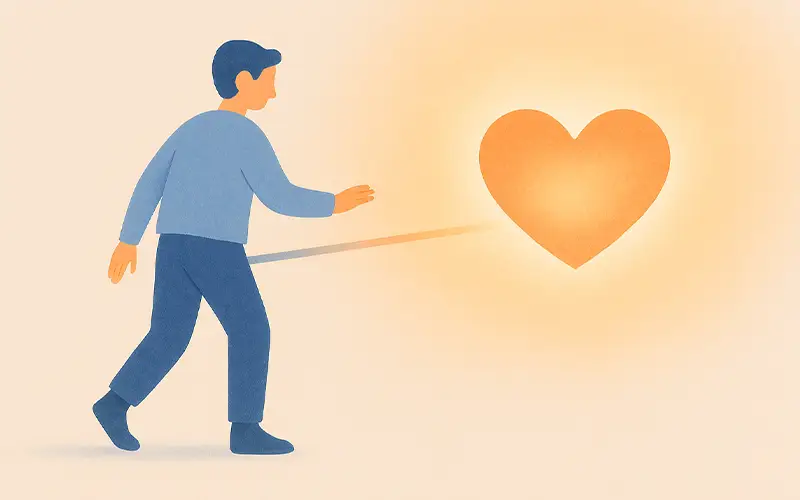
If you want to understand what a secure attachment style looks like, you are really asking what healthy emotional connection feels like.
Secure attachment is often described as the most balanced attachment style. People with secure attachment usually feel comfortable with both closeness and independence. They can trust, communicate openly, and stay connected without feeling overwhelmed by intimacy or threatened by normal space.
This does not mean secure people are perfect or never feel anxious. It means their relationships are generally shaped by trust, emotional safety, and the ability to repair conflict without losing themselves.
A secure attachment style can develop in childhood, but it can also be strengthened in adulthood. In this guide, you will learn what secure attachment style is, what it looks like in relationships, why it matters, and how more secure attachment can be built over time.
Quick Answer
What is a secure attachment style?
A secure attachment style is a healthy relational pattern marked by trust, emotional openness, and comfort with both closeness and independence. People with secure attachment usually communicate clearly, regulate emotions more steadily, and feel safer in relationships without becoming overly dependent or emotionally distant.
Core Traits of Secure Attachment
People with secure attachment often show these patterns:
- they feel comfortable with emotional closeness
- they can also tolerate healthy independence
- they communicate needs more directly
- they trust others without constant hypervigilance
- they do not panic as easily around normal distance
- they can repair conflict without assuming the relationship is over
- they usually feel more grounded in love than consumed by it
These traits do not mean someone is emotionally perfect. They mean their attachment system generally experiences relationships as safe enough to stay open, connected, and steady.
What Secure Attachment Looks Like in Relationships
In adult relationships, secure attachment often shows up as:
- comfort with intimacy without losing a sense of self
- trust that does not depend on constant reassurance
- clearer communication during conflict
- the ability to ask for needs without shame
- respect for both connection and boundaries
- less overthinking of normal relationship fluctuations
- a stronger ability to stay emotionally present
Securely attached people are usually able to stay close without becoming engulfed and stay independent without becoming disconnected.
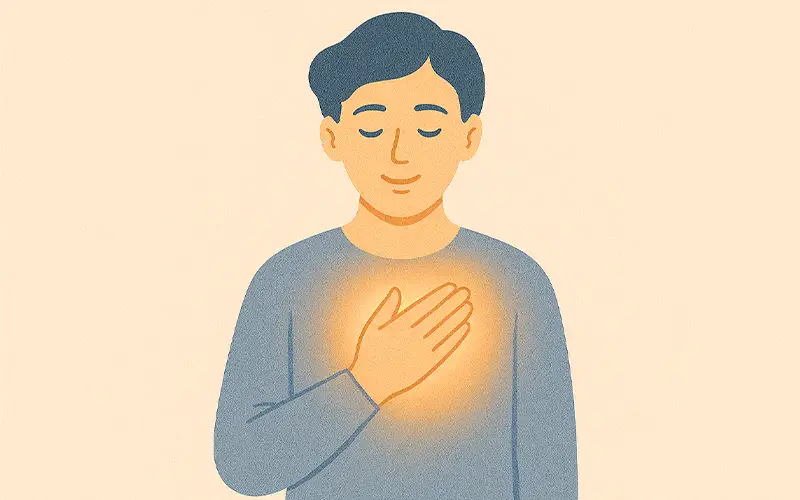
10 Signs of a Secure Attachment Style
1. You feel comfortable with closeness
Emotional intimacy does not automatically feel threatening, overwhelming, or unsafe.
2. You do not rely on constant reassurance
You may still want affection and clarity, but your emotional stability does not depend entirely on repeated reassurance.
3. You communicate needs more directly
Instead of hinting, testing, or shutting down, you are more able to say what you need clearly and respectfully.
4. You can tolerate normal space
A delayed message, a busy day, or healthy independence does not automatically feel like abandonment.
5. You trust more easily
Secure attachment usually includes a stronger baseline sense that other people can be dependable and emotionally available.
6. You can handle conflict without spiraling
Disagreement feels uncomfortable, but not automatically catastrophic.
7. You can be vulnerable without feeling weak
Emotional openness feels possible, even if it is not always easy.
8. You keep your sense of self in relationships
You can stay close to someone without losing your own needs, values, or identity.
9. You recover more quickly from emotional activation
Even when you feel triggered, you are often able to regulate and reconnect more steadily.
10. Relationships feel grounding, not consuming
At the core, secure attachment often feels like this:
"I can stay connected without constantly fearing loss or needing distance to feel safe."
Secure Attachment vs. Insecure Attachment Styles
It helps to understand what makes secure attachment different.
Secure attachment
Comfort with closeness and independence, stronger trust, clearer communication, and better emotional regulation.
Anxious preoccupied attachment
More fear of abandonment, more reassurance-seeking, and more emotional hypervigilance.
Dismissive-avoidant attachment
More discomfort with dependence, more emotional distance, and stronger reliance on self-sufficiency.
Fearful-avoidant attachment
A more conflicted pattern of wanting closeness while also fearing it.
Secure attachment is not the absence of emotion. It is a healthier relationship with closeness, trust, and vulnerability.
Why Secure Attachment Matters
Secure attachment matters because it shapes how safe, stable, and connected relationships feel.
It is linked to:
- stronger emotional resilience
- healthier romantic relationships
- better communication
- greater trust
- more balanced boundaries
- less relationship anxiety
- more stable self-worth within connection
People with more secure attachment often experience love as something they can participate in, not something they constantly have to chase, manage, or defend against.
How Secure Attachment Develops
Secure attachment often begins in relationships where emotional needs are met with enough consistency, care, and responsiveness.
This can happen when caregivers are:
- emotionally available
- reasonably predictable
- responsive to distress
- supportive of both closeness and exploration
- able to repair after disconnection
These experiences can teach a child beliefs like:
- I am worthy of care
- Other people can be trusted
- Closeness is safe
- I can rely on others without losing myself
But secure attachment is not only formed in childhood. Many adults develop what is often called earned secure attachment through healing, therapy, and healthier relationships later in life.
Can You Build Secure Attachment as an Adult?
Yes.
This is one of the most important points to make on this page. Even if you did not start with secure attachment, you can move toward it over time.
Adults often build more secure attachment through:
- self-awareness
- nervous system regulation
- healthier relationship choices
- better boundaries
- practicing direct communication
- therapy or attachment-focused healing
- repeated experiences of safe, consistent connection
Secure attachment is not reserved for people with perfect childhoods. It can be developed.
How to Build More Secure Attachment
Notice your default relationship pattern
The first step is understanding whether you tend to move toward anxious, dismissive, or fearful-avoidant coping.
Regulate before reacting
Secure attachment grows when you learn to slow down emotional reactivity and respond more consciously.
Practice clear communication
Secure people are not mind readers or emotional suppressors. They tend to express needs more directly.
Build trust gradually
Trust does not require blind optimism. It grows through repeated experiences of consistency and repair.
Strengthen your sense of self
More secure attachment includes knowing that closeness does not require self-abandonment.
Choose relationships that support security
It is easier to grow secure attachment in relationships that are emotionally available, respectful, and reasonably consistent.
This page should naturally link out to your other style and healing pages, especially Anxious Preoccupied Attachment Style, Dismissive Avoidant Attachment Style, Fearful Avoidant Attachment Style, and How to Heal Anxious Attachment.
Moving Toward Secure Attachment
If secure attachment feels appealing but unfamiliar, that does not mean it is out of reach.
A more secure attachment style is often built through many small shifts: regulating before reacting, asking for needs more clearly, tolerating healthy closeness, and choosing relationships that support trust instead of confusion.
What becomes more secure over time is not just your relationships with others. It is also your relationship with yourself.
Want to Understand Your Attachment Style More Clearly?
If you want to know whether you lean secure, anxious, dismissive-avoidant, or fearful-avoidant, the Attachment Style Quiz can help you identify your pattern more clearly.
Take the Free Attachment Style QuizGet a clearer view of your attachment style, emotional patterns, and next steps toward healthier relationships.
FAQ
Related Reading
You may also find these helpful:
Final Thoughts
If you are learning about secure attachment style, the biggest takeaway is this: secure attachment is not about perfection. It is about enough safety, enough trust, and enough emotional steadiness to stay present in connection.
For some people, that foundation begins early. For others, it is built later through healing and experience.
Either way, secure attachment is not just something to admire from a distance. It is something that can be developed over time.